
Translate & Read About Baby Jesus
Read Our Coloring Books In Your Own Language!
Enjoy reading the coloring books here. You can also translate them into your own language. Our current sharing books are:
1. The Great Controversy Coloring Book
2. The Power That Shook the World
3. Baby Jesus Growing in Wisdom and Stature
Coloring books coming soon:
4. Jesus Miracles and Ministry
5. At the Cross Jesus Wins
6. Walking with Jesus
7. God Blessed the U.S.A.

Click the book below to look at the colored illustrations and read the inspiring passages.

Translate & Read About Baby Jesus
Jesus Becomes One of Us p. 1-2
The plan for our redemption was not an afterthought, planned after the fall of Adam. From the beginning, God and Christ knew of the apostasy of Satan, and of the fall of man through the deceptive power of the devil. God did not ordain that sin should exist, but He foresaw its existence, and made provision to meet the terrible emergency. SO GREAT WAS HIS LOVE FOR THE WORLD, that He covenanted to give HIS ONLY-BEGOTTEN SON “that whoever believes in Him should not perish, but have everlasting life.” John 3:16.
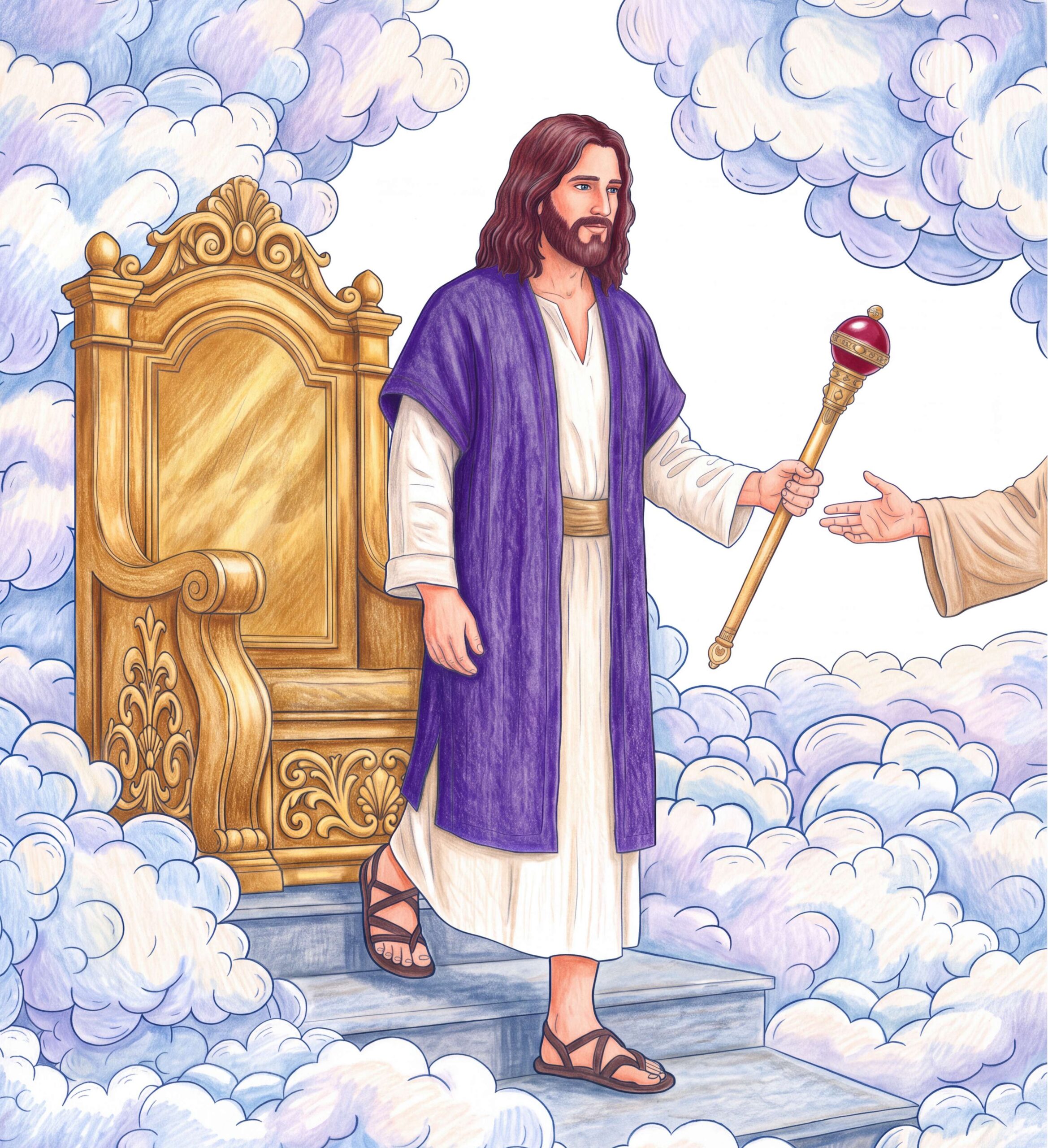
This was a voluntary sacrifice. Jesus might have remained at the Father’s side. He might have retained the glory of heaven, and the homage of the angels. But He chose to give back the scepter into the Father’s hands, and to step down from the throne of the universe, that He might bring light to the those in darkness
1
With more than a father’s pitying love for the son of his care, God had “sent them His messengers to warn them early; because He had compassion on His people, and on His dwelling place.” When evidence, appeal, and scolding had failed,

2
People Didn’t Recognize Jesus p. 3
At the time of Christ’s first advent the priests and scribes of the Holy City, to whom were entrusted the prophecies of God, should have recognized the signs of the times and announced the coming of the Promised One. They had no excuse for being unaware, and for failing to announce to the people that the Messiah’s coming was near. Their ignorance was the result of their sinful neglect.
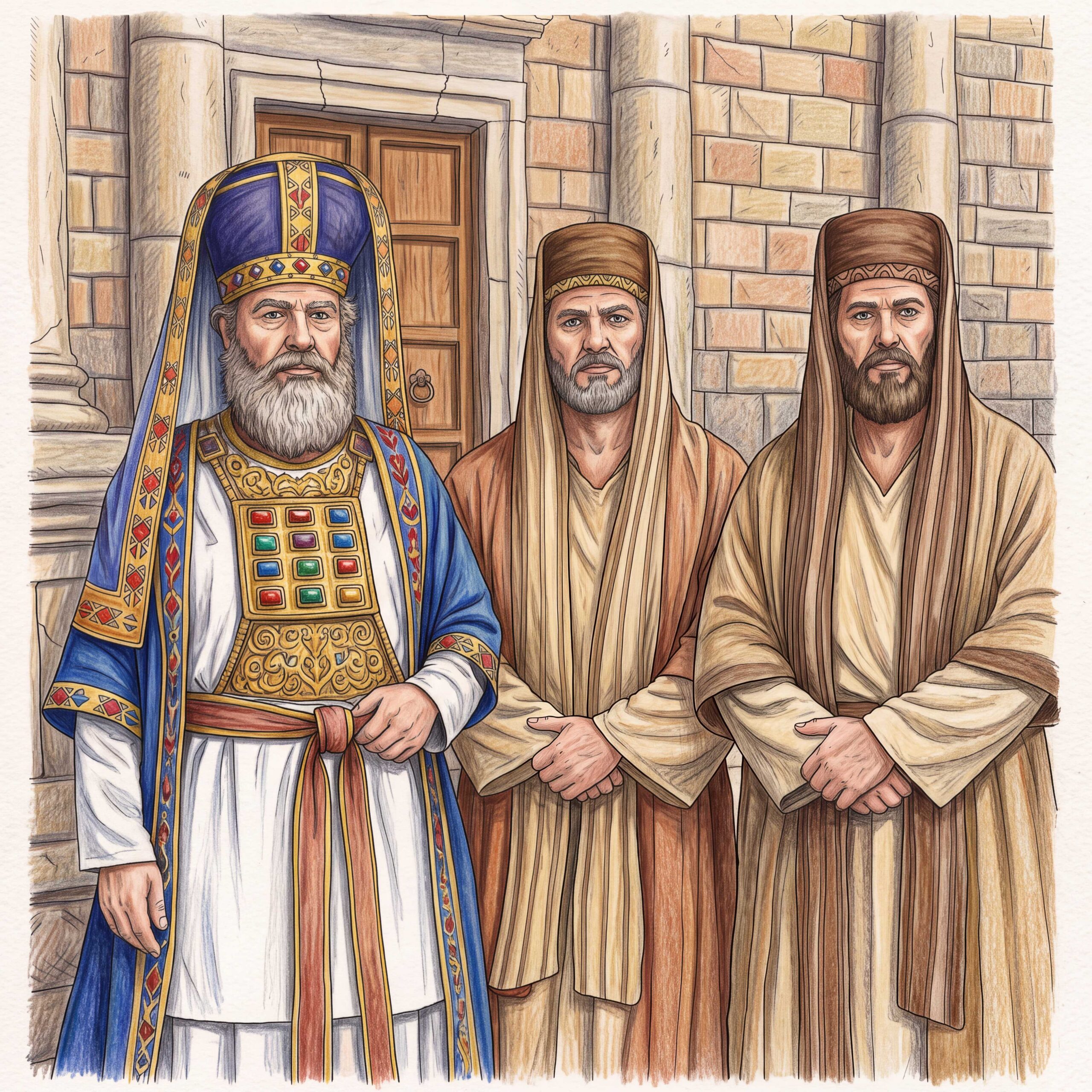
With profound and reverent interest the elders of Israel should have been studying about the greatest event in the world’s history. They should have been watching and waiting so that they could have been among the first to welcome the world’s Redeemer. But the priests, in their pomp and pride, were offering polluted sacrifices in the temple. The Pharisees were making boastful prayers. All were unmindful of the marvelous fact which has filled all heaven with joy and praise! The Redeemer of men was about to appear on the earth!
3
Our Savior is Born p. 4-7
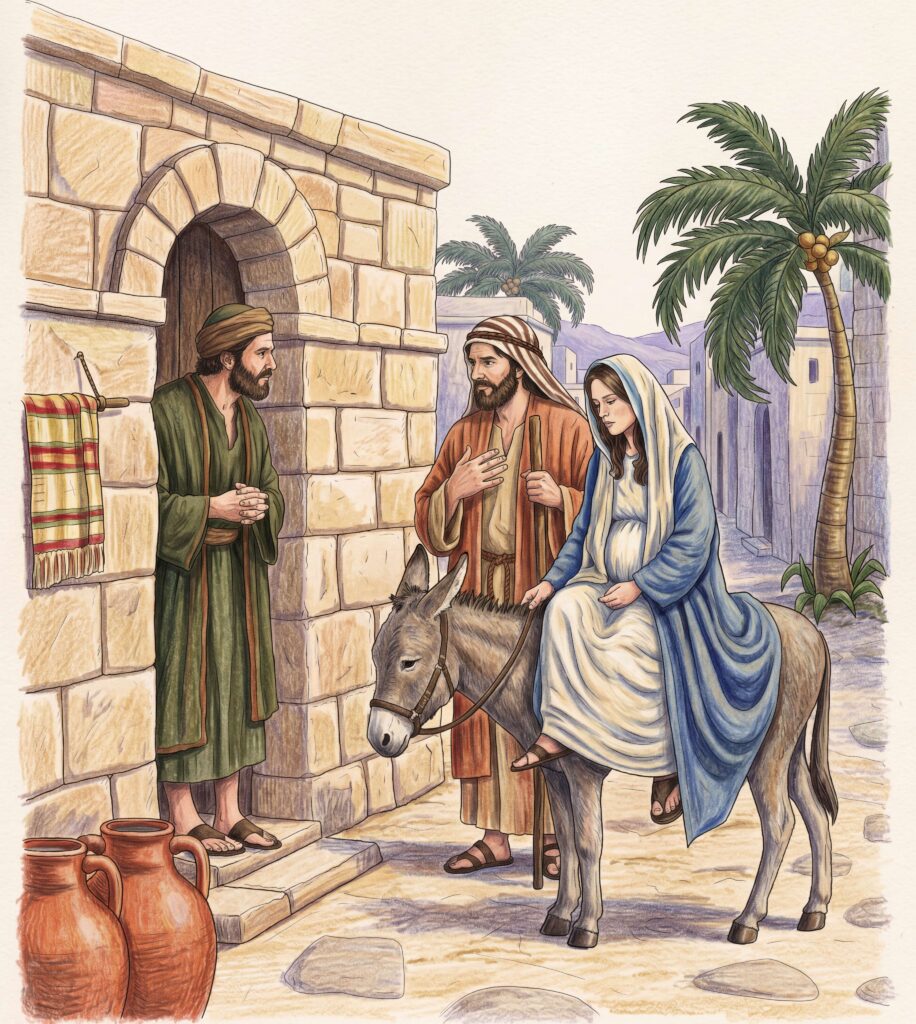
In Bethlehem, two weary travelers Mary & Joseph, had come from the hills of Nazareth and traveled the whole length of the narrow street to the eastern extremity of the town, vainly seeking a place of rest and shelter for the night. No doors were open to receive them. In a pitiful shack prepared for cattle, they at last found a place of safety, and there the Savior of the world was born
4
In Bethlehem, two weary travelers Mary & Joseph, had come from the hills of Nazareth and traveled the whole length of the narrow street to the eastern extremity of the town, vainly seeking a place of rest and shelter for the night. No doors were open to receive them. In a pitiful shack prepared for cattle, they at last found a place of safety, and there the Savior of the world was born

4
In amazement the angel is about to return to heaven with the shameful report, when he discovers a group of shepherds who are watching their flocks by night. As they gaze into the starry heavens, they are contemplating the prophecy of a Messiah to come to earth, and longing for the advent of the world’s Redeemer. Here is a company that is prepared to receive the heavenly message
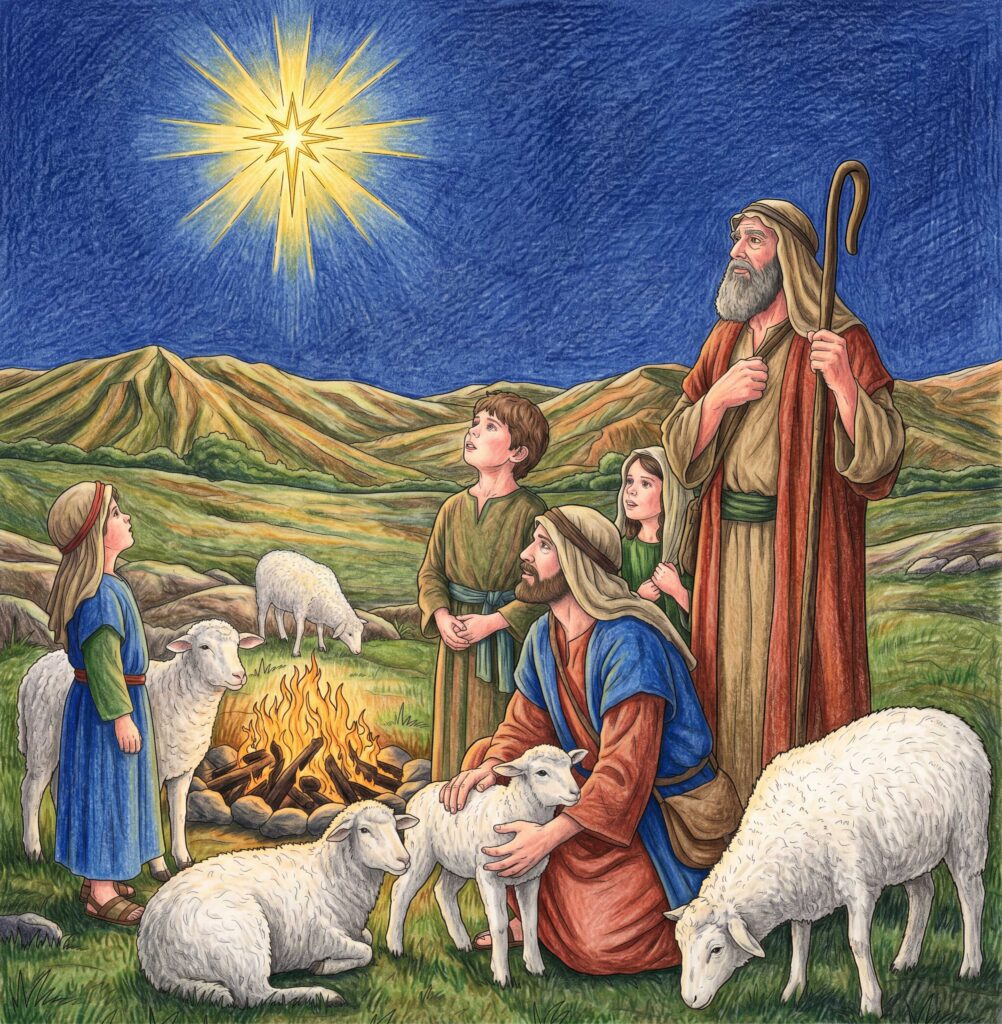
Suddenly the angel of the Lord appears, declaring the good tidings of great joy. Heavenly glory floods the whole plain, and a countless company of angels is revealed! As if the joy were too great for one messenger to bring from heaven, a multitude of voices break forth in the anthem which all the nations of the saved shall one day sing: “Glory to God in the highest, and on earth peace, good will toward men,” Luke 2:14
6
Wise Men Seek Him p. 8
t was not alone upon the hills of Judea, not among the lowly shepherds only, that angels found the watchers for Messiah’s coming. In the land of the heathen also were those that looked for Him; they were wise men, rich and noble, the philosophers of the East. As students of nature, the Magi had seen God in His handiwork.
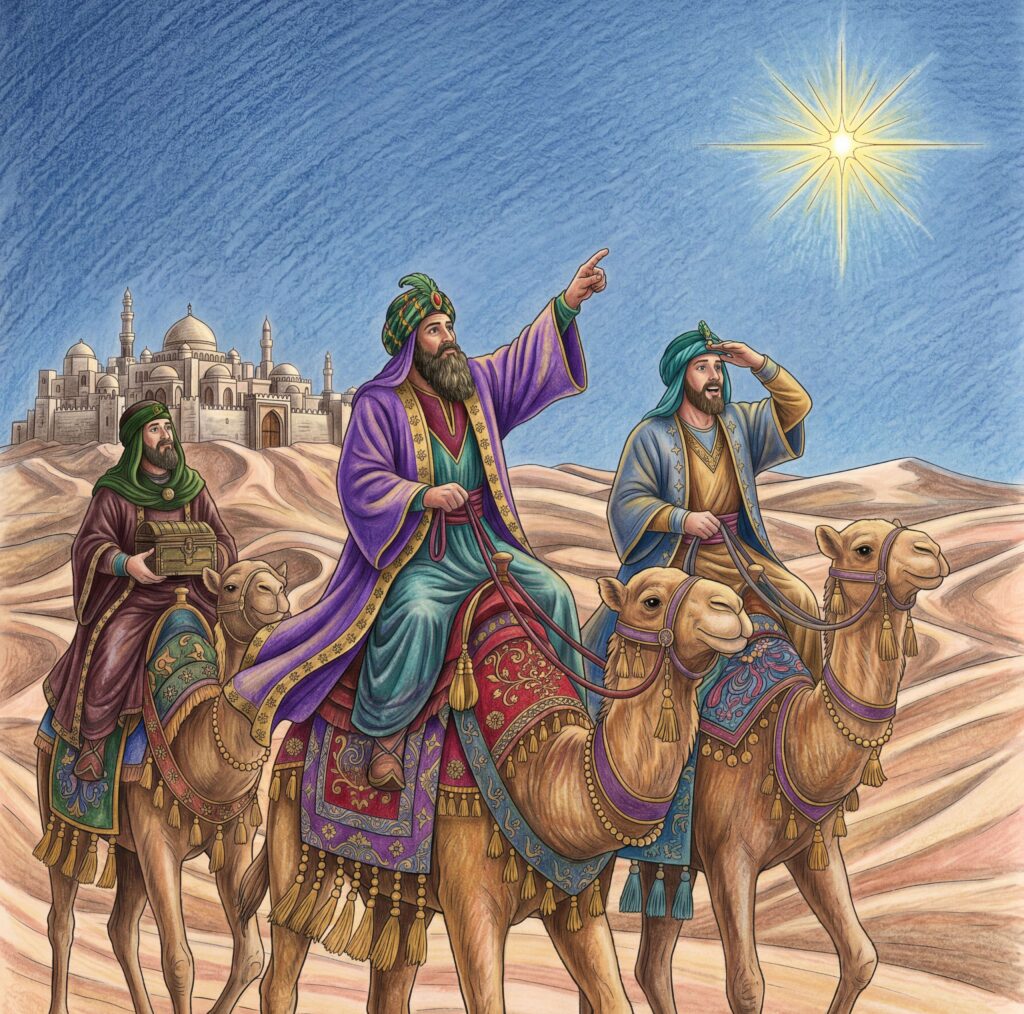
They were seekers for light, and light from the throne of God illumined the path for their feet. While the priests and rabbis of Jerusalem, the appointed guardians and instructors of the truth, were shrouded in darkness, the Heaven-sent star guided these Gentile strangers to the birthplace of the newborn King.
8
Baby Dedication p. 9
The Bible tells us that it is only to the people who look for Him, that Christ will appear the second time without sin to save us. Like the news of the Savior’s birth, the message of the second advent was not committed to the religious leaders of the people. They had failed to preserve their connection with God, and had refused light from heaven.
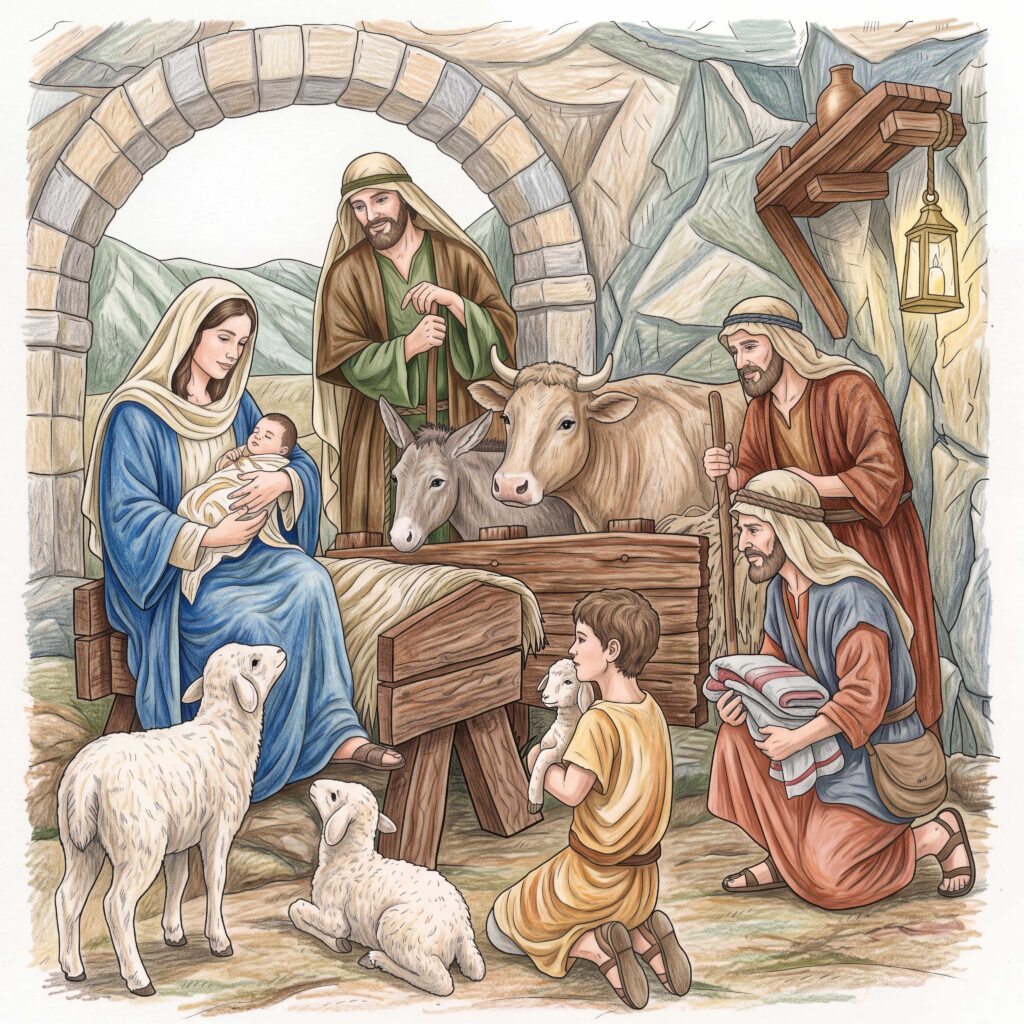
Oh, what a lesson is this wonderful story of Bethlehem! How it rebukes our unbelief, our pride and self-sufficiency. How it warns us to beware, lest by our disgraceful indifference we, like the Jews, also fail to discern the signs of the times, and therefore do not know the day of our accountability
7
To the astonished priest, Simeon appears like a man enraptured. He takes the child in his arms and presents it to God, while a joy that he has never before felt enters his soul. As he lifts the infant Savior toward heaven, he says, “Lord, now let Thou Thy servant depart in peace, according to Thy word: for mine eyes have seen Thy salvation, which Thou hast prepared before the face of all people; a light to lighten the Gentiles, and the glory of Thy people Israel.”
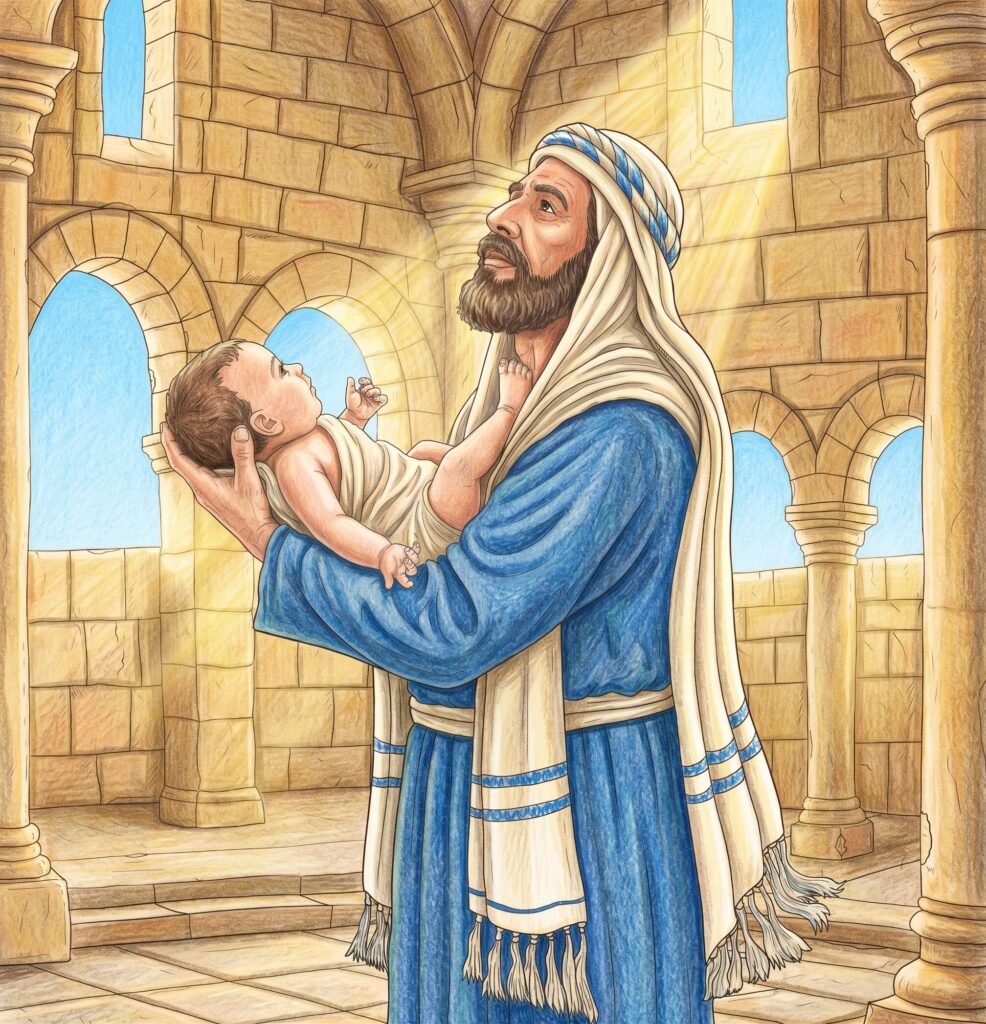
These humble worshipers had not studied the prophecies in vain. But those who held positions as rulers and priests in Israel, though they also had the precious prophecies, were not walking in the way of the Lord, and their eyes were not open to see the Light of life. So it is still. Events upon which the attention of all heaven is centered are undiscerned, their very occurrence is unnoticed, by religious leaders, and worshipers in the house of God. Men acknowledge Christ in history, while they turn away from the living Christ.
9
Jesus as a Boy p. 10-16
The childhood and youth of Jesus were spent in a little mountain village. In the sunlight of His Father’s countenance, Jesus “increased in wisdom and stature, and in favor with God and man.” His mind was active and penetrating, with a thoughtfulness and wisdom beyond His years. Yet His character was beautiful in its symmetry. The powers of mind and body developed gradually, in keeping with the laws of childhood.

His intimate acquaintance with the Scriptures shows how diligently His early years were given to the study of God’s word. And spread out before Him was the great library of God’s created works. He who had made all things studied the lessons which His own hand had written in earth, sea, and sky
10
With deep earnestness the mother of Jesus watched the unfolding of His powers, and beheld the impress of perfection upon His character. With delight she sought to encourage that bright, receptive mind. Through the Holy Spirit she received wisdom to co-operate with the heavenly agencies in the development of this child, who could claim only God as His Father.

11
Jesus lived in a peasant’s home, and faithfully and cheerfully acted His part in bearing the burdens of the household. He had been the Commander of heaven, and angels had delighted to fulfill His word; now He was a willing servant, a loving, obedient son
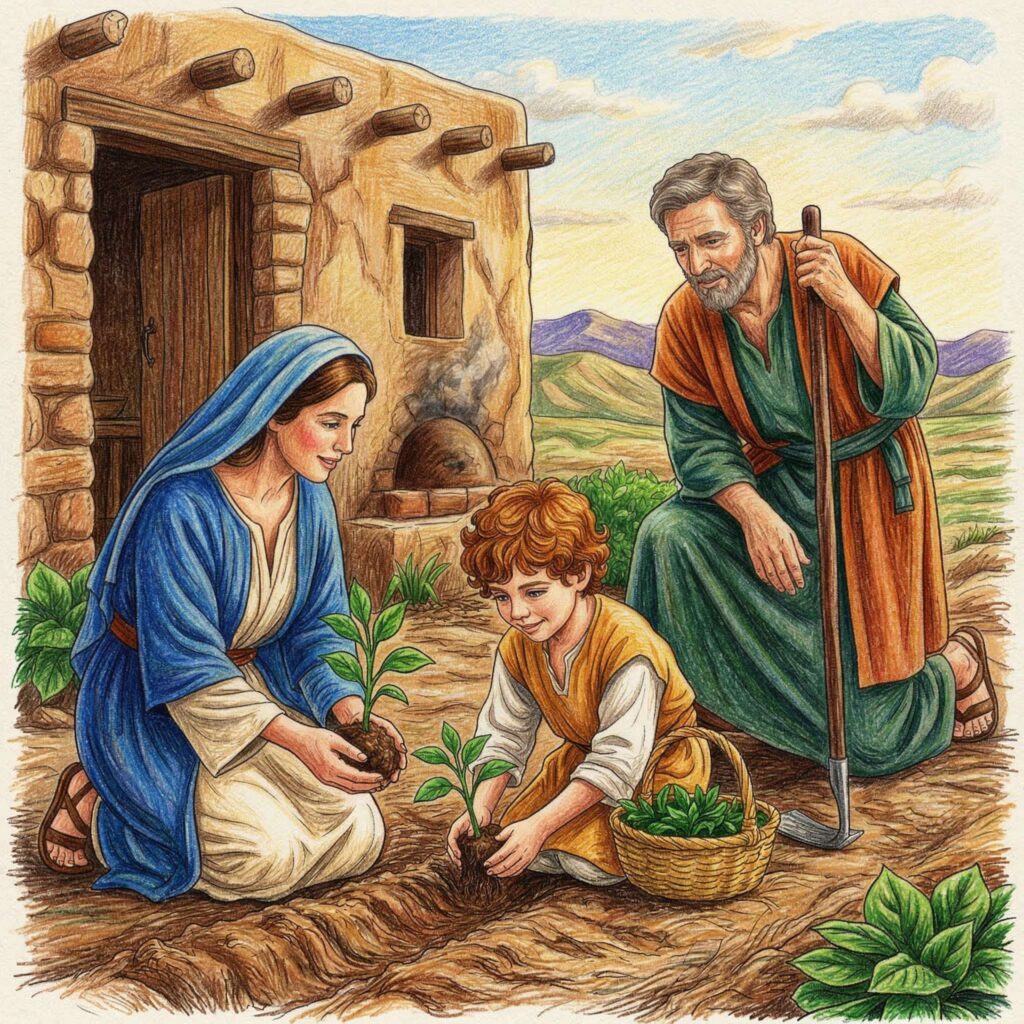
The parents of Jesus were poor, and dependent upon their daily toil. So Jesus was familiar with poverty, self-denial, and privation. This experience was a safeguard to Him. In His industrious life there were no idle moments to invite temptation. No aimless hours opened the way for corrupting associations. So far as possible, He closed the door to the tempter
12
The child Jesus did not receive instruction in the synagogue schools. His mother was His first human teacher. From her lips and from the scrolls of the prophets, He learned of heavenly things. The very words which He Himself had spoken to Moses for Israel He was now taught at His mother’s knee. As He advanced from childhood to youth, He did not seek the schools of the rabbis. He needed not the education to be obtained from such sources; for God was His instructor.
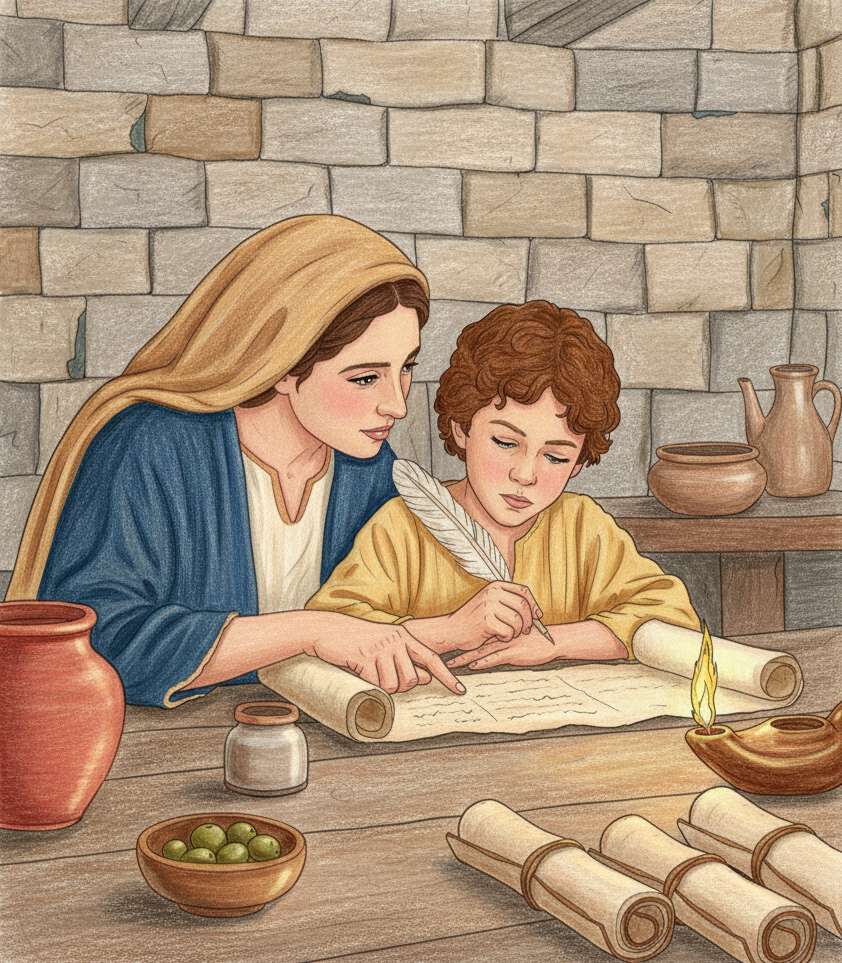
13
From the earliest times the faithful in Israel had given much care to the education of the youth. Fathers and mothers were to instruct their children that the law of God is an expression of His character, and that as they received the principles of the law into the heart, the image of God would be traced on their mind and soul.
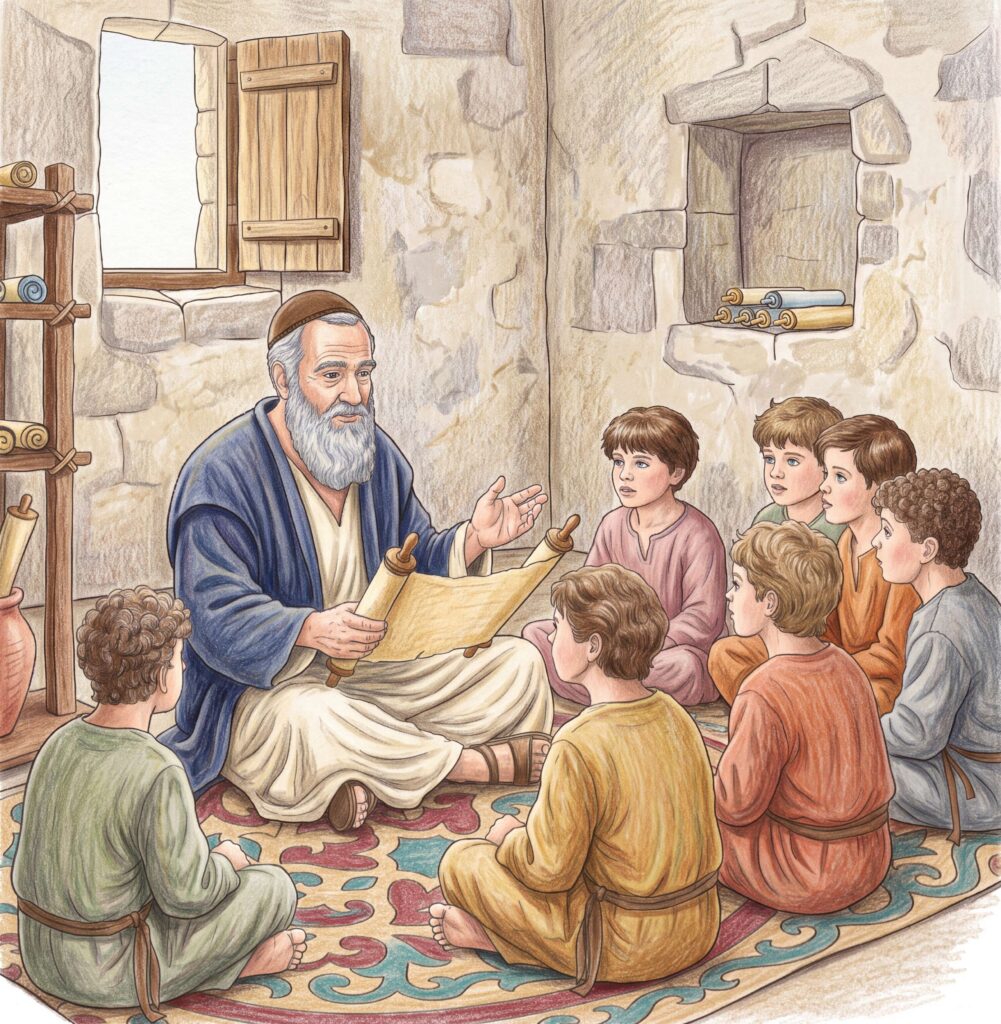
But tradition had in a great degree displaced the Scriptures. Instead the mind was crowded withmaterial that was worthless to the learner, and that would not be recognized in the higher school of the courts above. The experience which is obtained through a personal acceptance of God’s word had no place in the Jewish educational system. Sadly, the students found no quiet hours to spend with God, they did not hear His voice speaking to their hearts. And in their search after knowledge, they turned away from the Source of wisdom.
14
Everyone, from children to adults, may gain knowledge as Jesus did. As we try to become acquainted with our heavenly Father through His word, angels will draw near, our minds will be strengthened, our characters will be elevated and refined. We shall become more like our Savior. And as we behold the beautiful and grand in nature, our affections go out after God.

While the spirit is awed, the soul is invigorated by coming in contact with the Infinite through His works. Communion with God through prayer develops the mental and moral faculties, and the spiritual powers strengthen as we cultivate thoughts upon spiritual things.
15
Jesus was the fountain of healing mercy for the world; and through all those secluded years at Nazareth, His life flowed out in currents of sympathy and tenderness. The aged, the sorrowing, and the sin-burdened, the children at play in their innocent joy, the little creatures of the groves, the patient beasts of burden,—all were happier for His presence. He whose word of power upheld the worlds would stoop to relieve a wounded bird. There was nothing beneath His notice, nothing to which He disdained to minister.
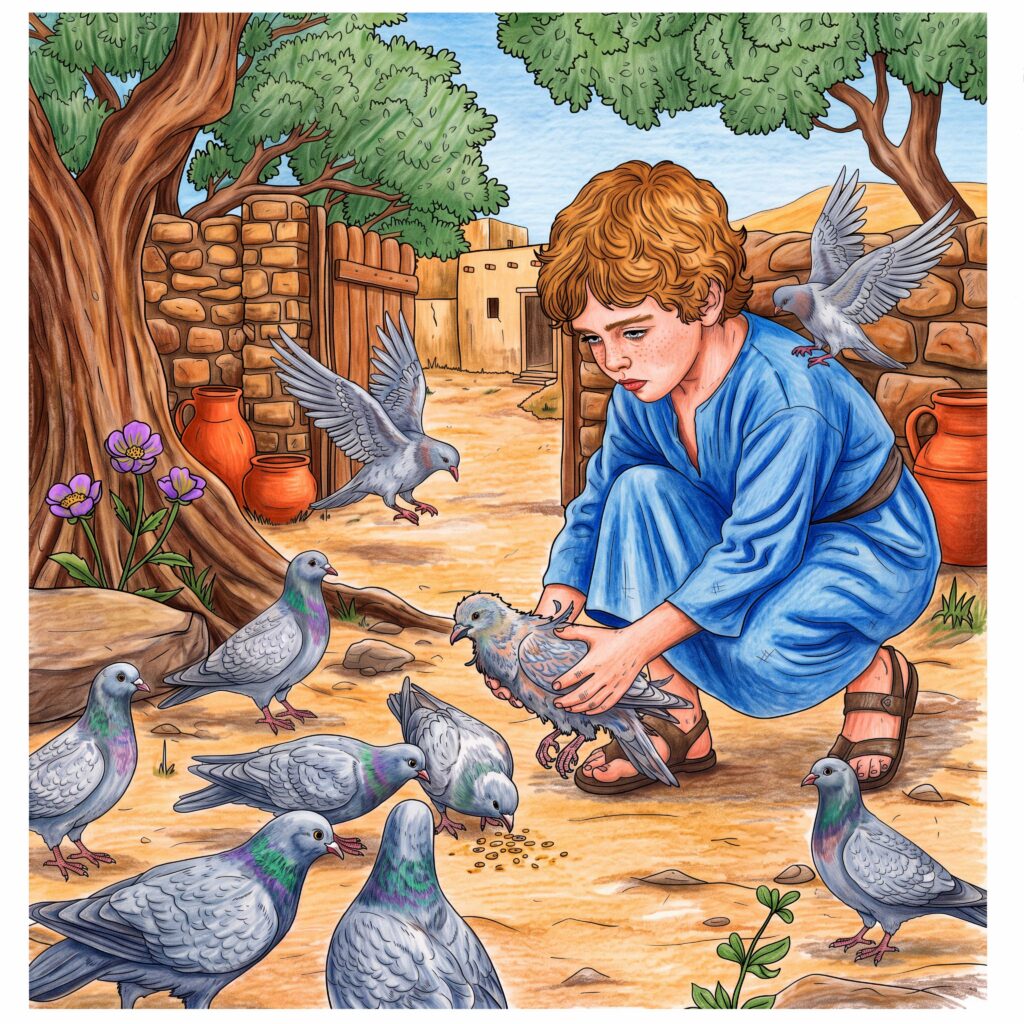
His quiet and simple life, and even the silence of the Scriptures concerning His early years, teach an important lesson. The more quiet and simple the life of the child, the more free from artificial excitement, and the more in harmony with nature, the more favorable is it to physical and mental vigor and to spiritual strength.
16
The Passover Visit p. 17
In their departure from Jerusalem, Mary and Joseph had lost sight of Jesus. They didn’t know that He had stayed behind. As they stopped to rest, they missed the helpful hand of their child. Now their fears were roused. Shuddering they remembered how Herod had tried to destroy Him in His infancy. Returning to Jerusalem, they pursued their search. They found Jesus the next day in the school of the rabbis.
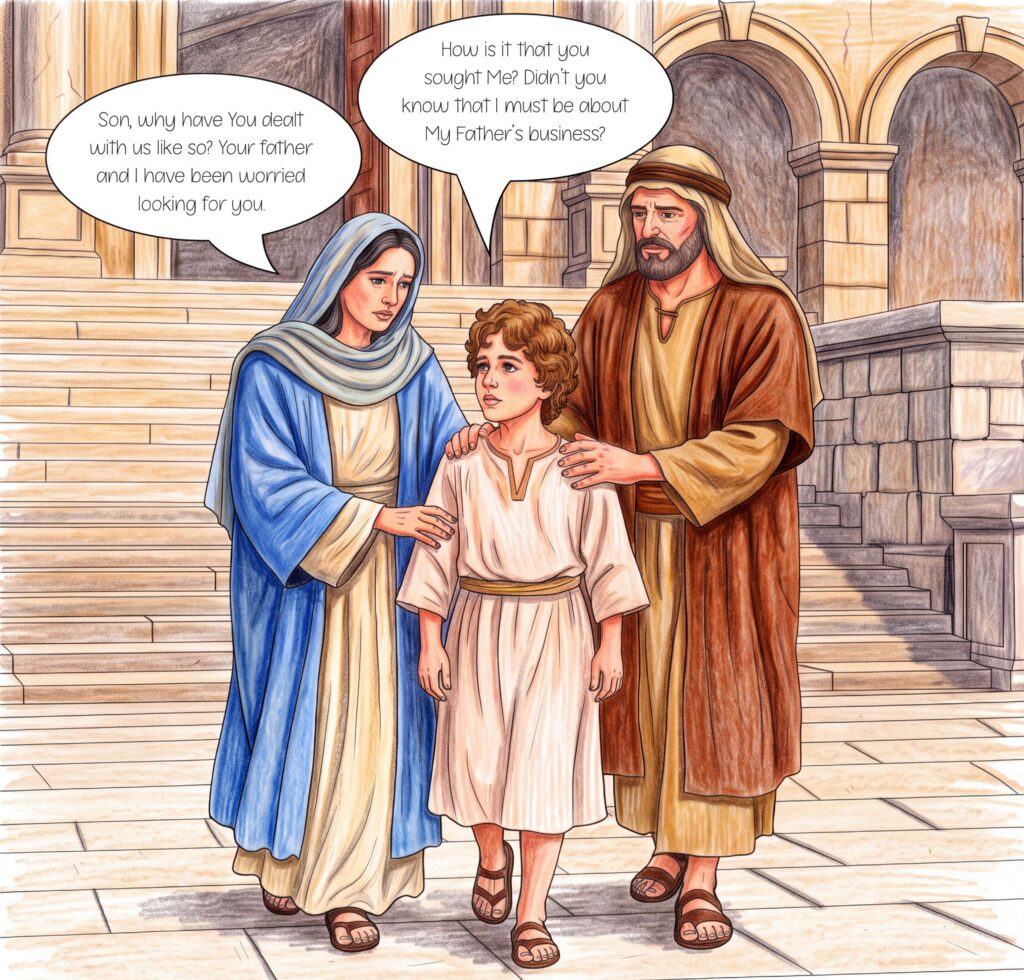
If Joseph and Mary had kept their minds on God by meditation and prayer, they would have realized the sacredness of their trust, and would not have lost sight of Jesus. So it is with us; by idle talk, evil speaking, or neglect of prayer, we may in one day lose the Savior’s presence, and it may take many days of sorrowful search to find Him, and regain the peace that we have lost. If we are Christ’s, our sweetest thoughts will be of Him. We shall love to talk of Him; and as we speak to one another of His love, our hearts will be softened by divine influences.
17
Jesus as a Youth p. 18
Jesus learned a trade, and with His own hands worked in the carpenter’s shop with Joseph. As He worked in childhood and youth, mind and body were developed. He did not use His physical powers recklessly, but in such a way as to keep them in health, that He might do the best work in every line. He was not willing to be defective, even in the handling of tools. He was perfect as a workman, as He was perfect in character. By His own example He taught that it is our duty to be industrious, that our work should be performed with exactness and thoroughness, and that such labor is honorable.
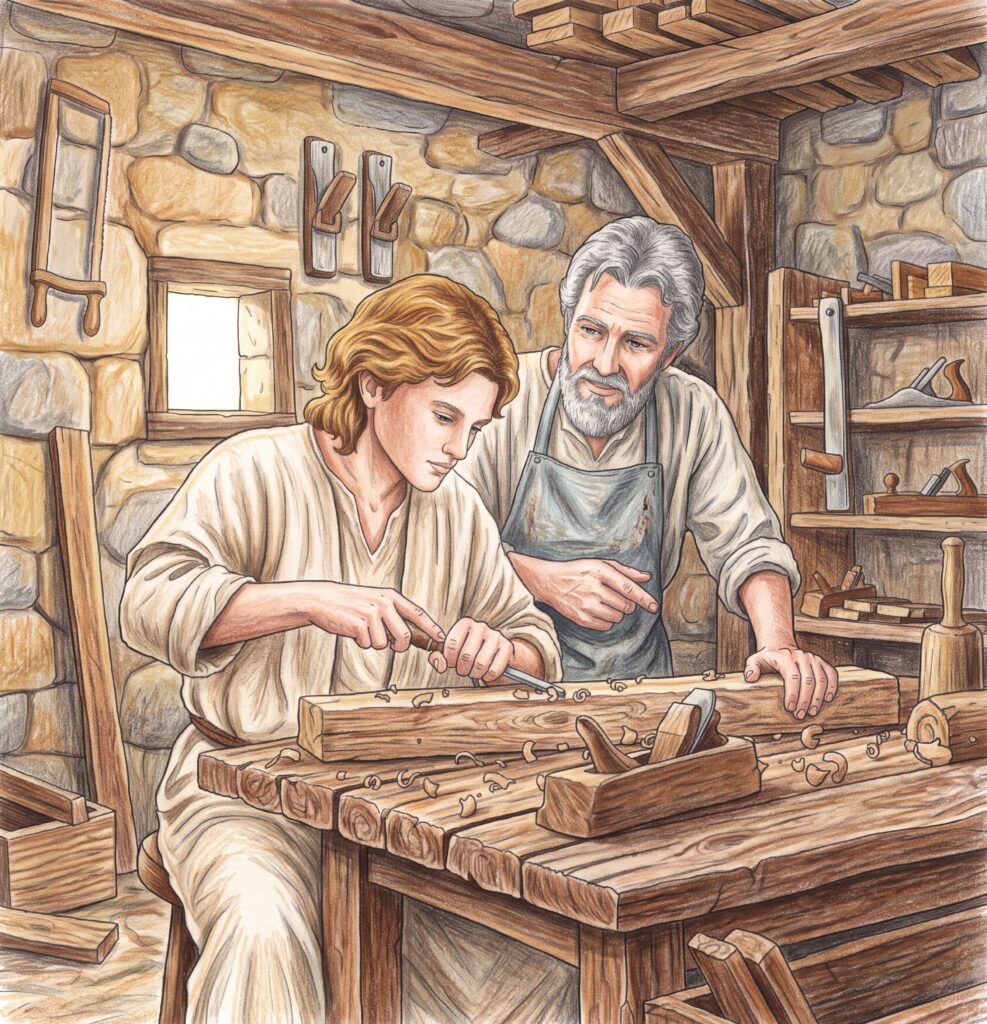
God appointed work as a blessing, and only the diligent worker finds the true glory and joy of life. The approval of God rests with loving assurance upon children and youth who cheerfully take their part in the duties of the household, sharing the burdens of father and mother. Such children will go out from the home to be useful members of society.
18
Days of Conflict p. 19-20
Jesus worked to relieve every case of suffering that He saw. He had little money to give, but He often denied Himself of food in order to relieve those who appeared more needy than He. His brothers felt that His influence went far to counteract theirs. He possessed a tact which none of them had, or desired to have. When they spoke harshly to poor, degraded beings, Jesus sought out these very ones, and spoke to them words of encouragement.
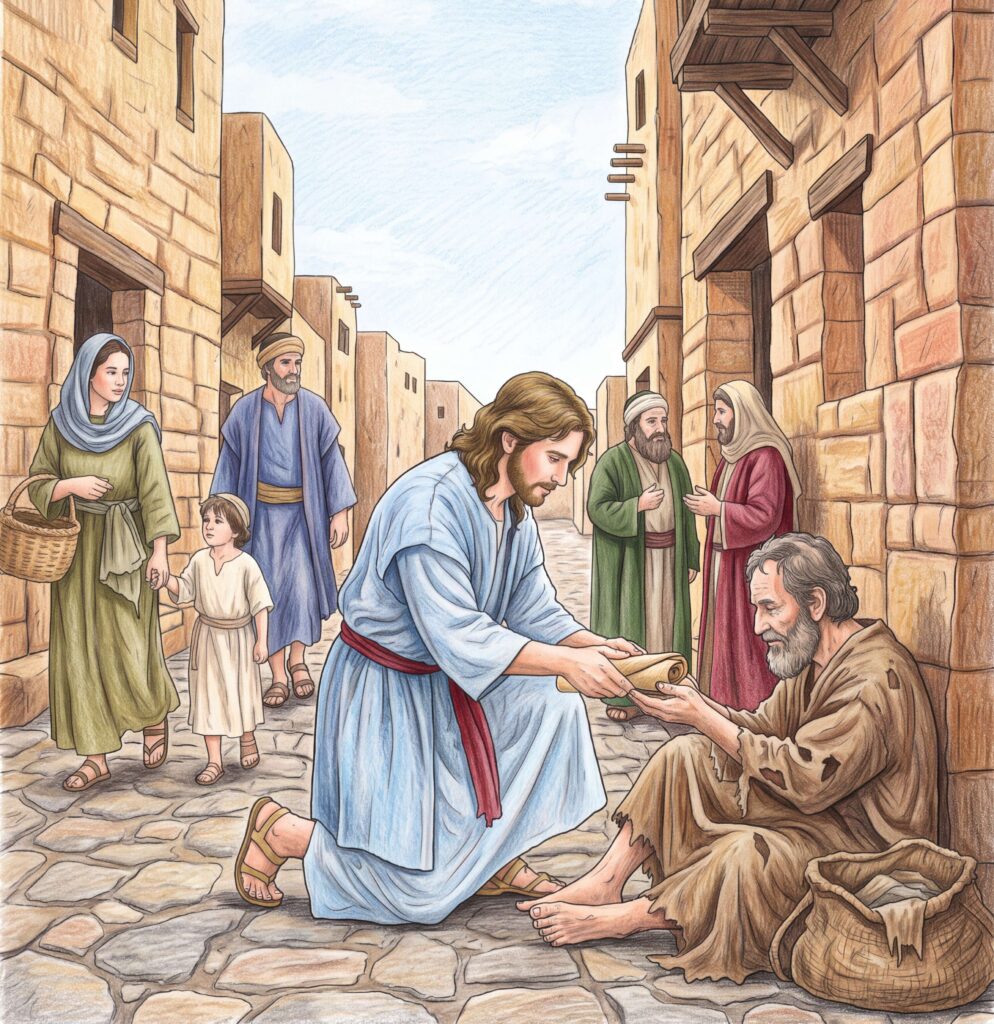
To those who were in need He would give a cup of cold water, and would quietly place His own meal in their hands. As He relieved their sufferings, the truths He taught were associated with His acts of mercy, and were thus riveted in the memory. He passed by no human being as worthless, but sought to apply the saving remedy to every soul.
19
Jesus was the healer of the body as well as of the soul. He was interested in every phase of suffering that came under His notice, and to every sufferer He brought relief, His kind words having a soothing balm. None could say that He had worked a miracle; but virtue—the healing power of love—went out from Him to the sick and distressed. Thus in an unobtrusive way He worked for the people from His very childhood.
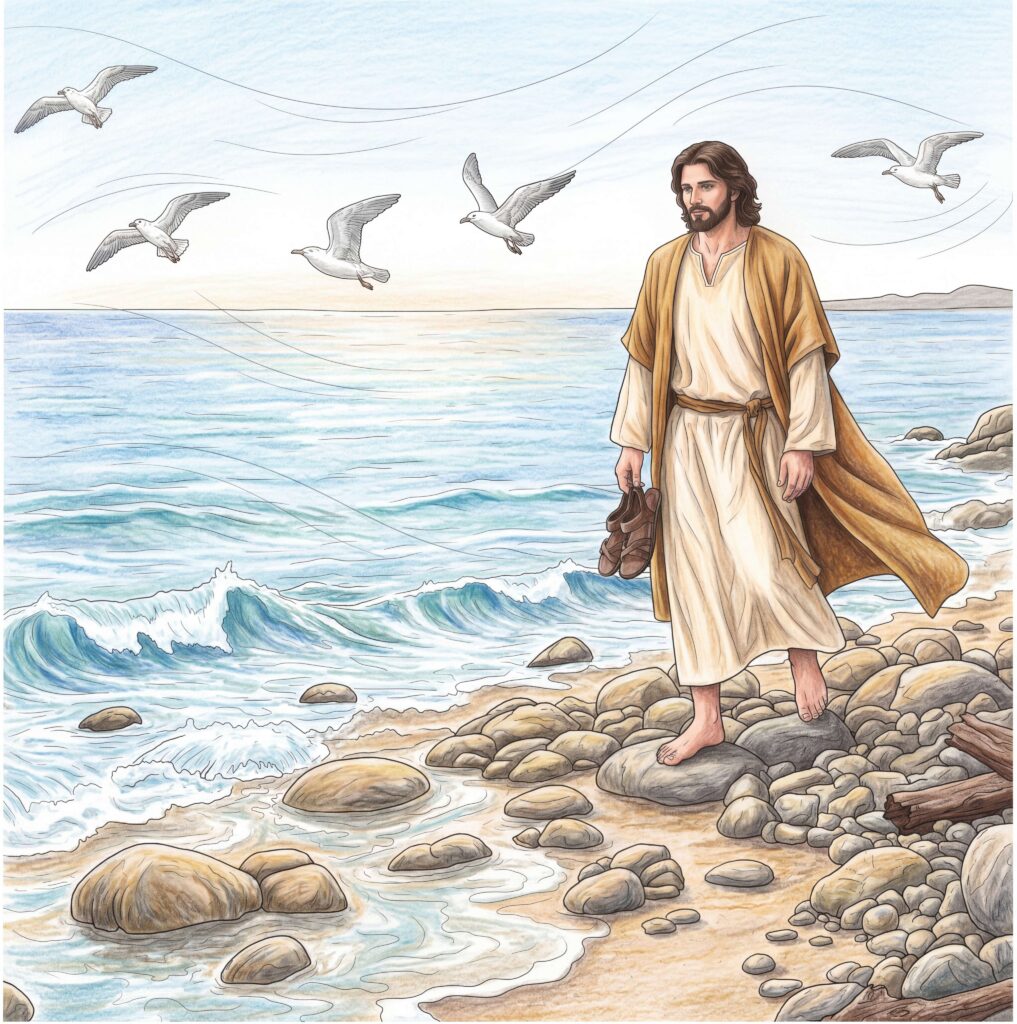
Yet through childhood, youth, and manhood, Jesus walked alone. In His purity and His faithfulness, He trod the wine press alone, and of the people there was none with Him. He carried the awful weight of responsibility for the salvation of men. He knew that unless there was a decided change in the principles and purposes of the human race, all would be lost. This was the burden of His soul, and none could appreciate the weight that rested upon Him. Filled with intense purpose, He carried out the design of His life that He Himself should be the light of men.
20


