
Translate & Read The Reformation
Read Our Coloring Books In Your Own Language!
Enjoy reading the coloring books here. You can also translate them into your own language. Our 6 sharing books will be:
1. The Great Controversy Coloring Book
2. The Power That Shook the World
3. Baby Jesus Growing in Wisdom and Stature
4. Jesus Miracles and Ministry
5. At the Cross Jesus Wins
6. Walking with Jesus

Click the book below to look at the colored illustrations and read the inspiring passages.

Translate & Read
Translate & Read The Reformation
Destruction of Jerusalem p. 1
Terrible were the calamities that fell upon Jerusalem when the siege was later resumed by Titus. It was the time of the Passover, when millions of Jews were assembled within its walls. Their stores of food, if carefully preserved, would have supplied the inhabitants for years. But, these had been destroyed previously, and now all the horrors of starvation were experienced.
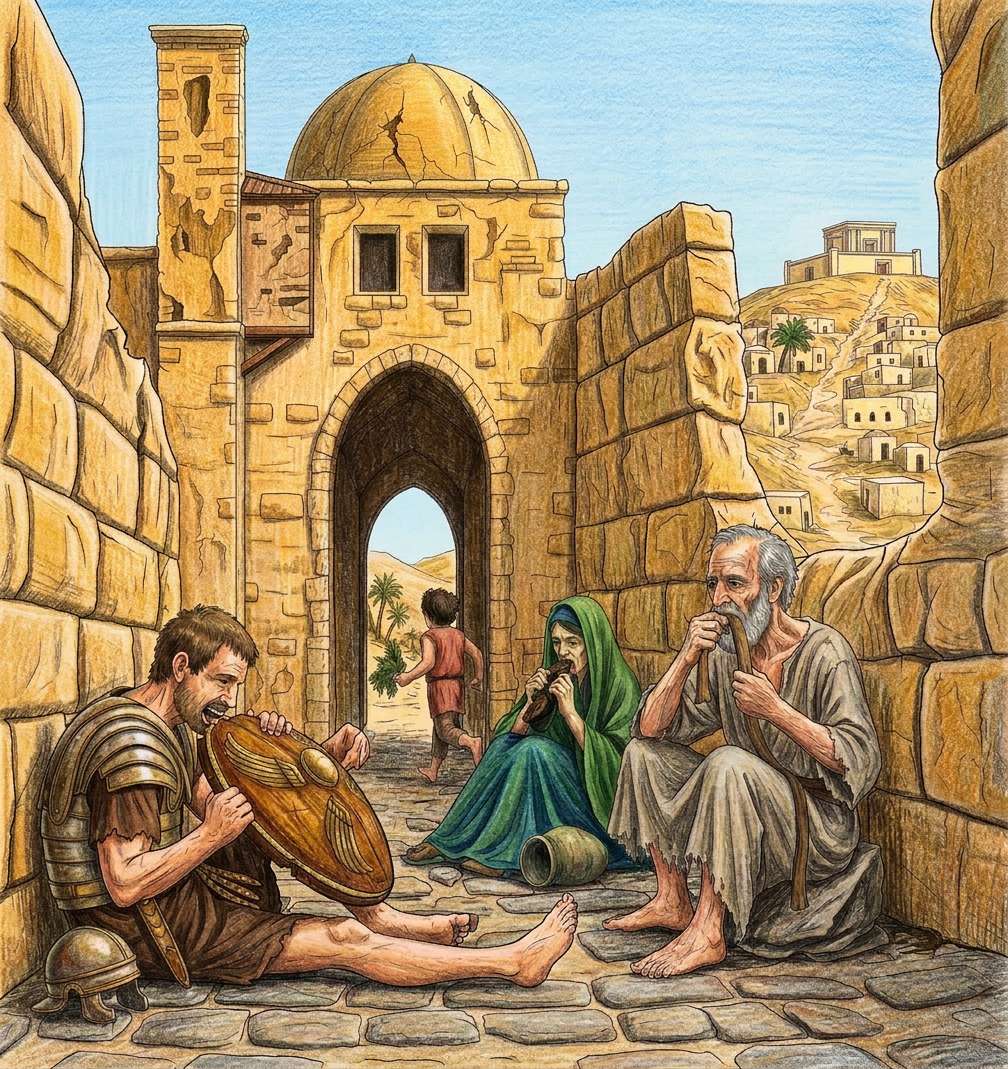
So fierce were the pangs of hunger that men would gnaw the leather of their belts and sandals and the covering of their shields. Great numbers of the people were so desperate that they would sneak out at night to gather wild plants growing outside the city walls, but many of them were captured and tortured to death. Often those who did make it safely back to the city were robbed of what they had gleaned at so great peril.
1
Little by little, at first in stealth and silence, “the mystery of iniquity” carried out its deceptive and blasphemous work. Almost imperceptibly the customs of heathenism found their way into the Christian church. Under paganism, the Christians refused to compromise and therefore they endured fierce persecutions. But as persecution ended, Christianity laid aside the humble simplicity of Christ for the pomp and pride of pagan priests and rulers; they replaced the requirements of God, with human traditions.
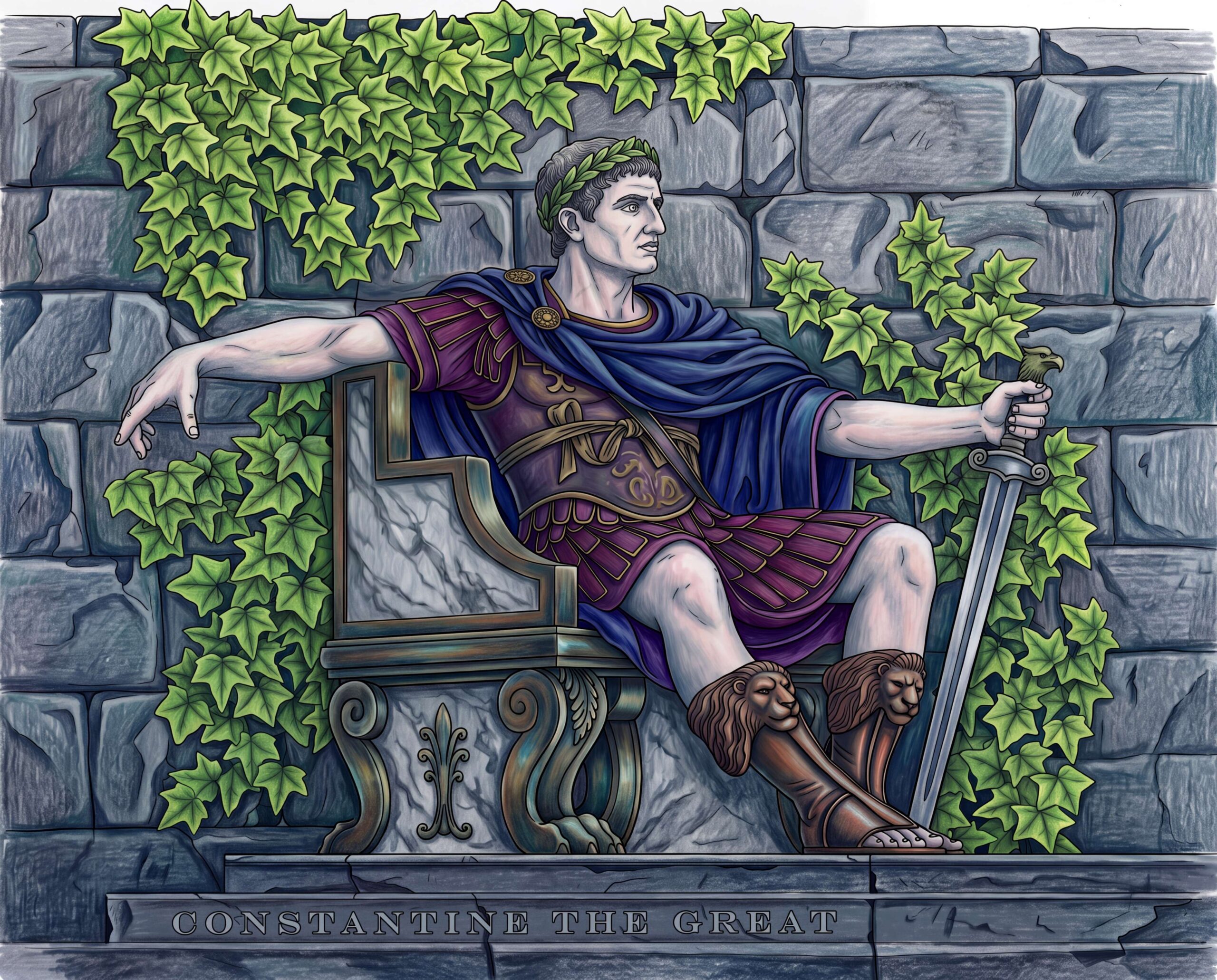
In the early part of the fourth century, the emperor Constantine converted to Christianity. But this was simply because he wanted the title, it was not a true conversion of his heart. This allowed the pagan world, hidden under a form of righteousness, to walk right in and start controlling the church.Corruption grew rapidly, while pagan doctrines, ceremonies, and superstitions were incorporated into the faith and worship of the professed followers of Christ.
2
Paganism had given place to the papacy, and in the sixth century the papacy had become firmly established. Its seat of power was set in the imperial city, and the bishop of Rome wasdeclared to be the head over the entire church. Faith was transferred from Christ, the true foundation, to the pope of Rome. Instead of trusting in the Son of God for forgiveness of sins and for eternal salvation, the people looked to the pope, priests, and bishops. They were taught that the pope was their earthly mediator and that none could approach God except through him. They were also taught that the pope stood in the place of God and was the refore to be
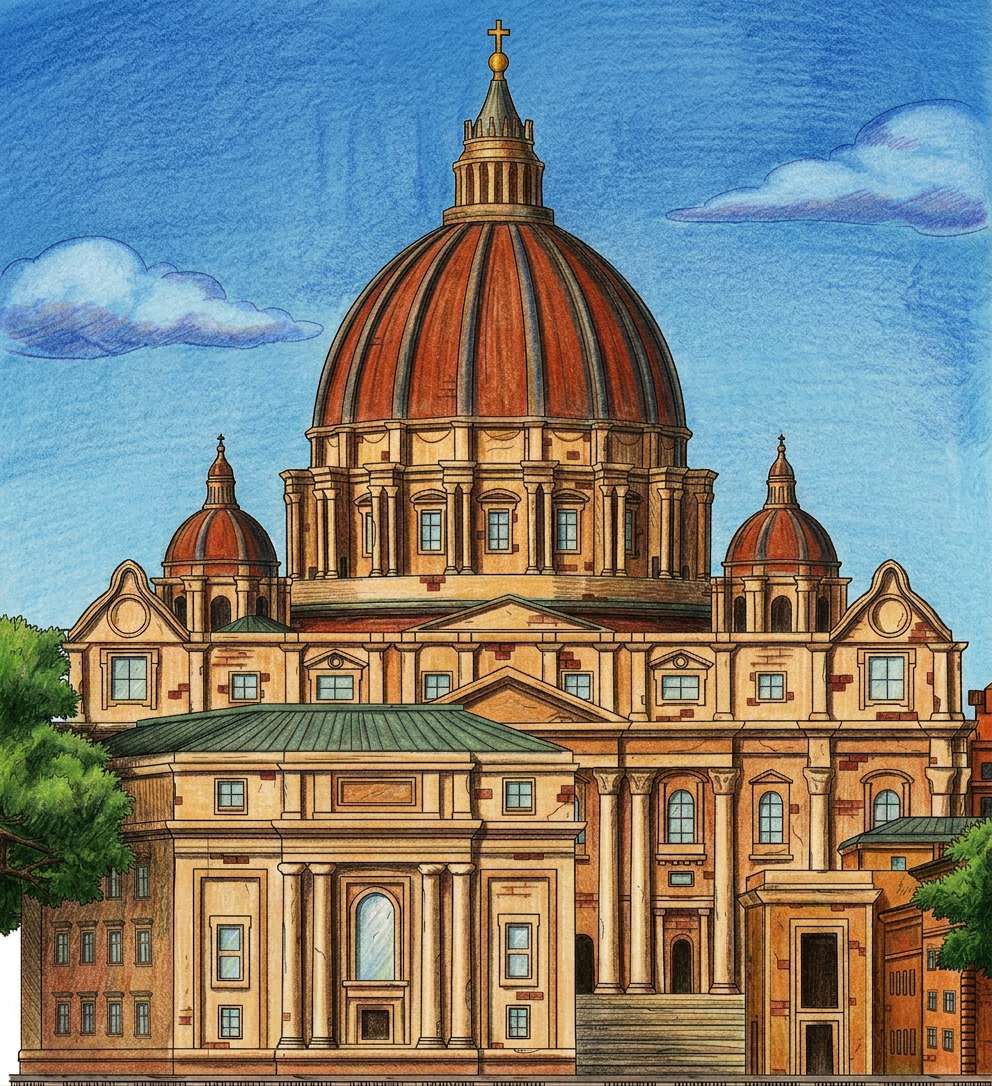
Vatican City, an independent sovereign country within Rome, Italy
In the early part of the fourth century, the emperor Constantine converted to Christianity. But this was simply because he wanted the title, it was not a true conversion of his heart. This allowed the pagan world, hidden under a form of righteousness, to walk right in and start controlling the church. Corruption grew rapidly, while pagan doctrines, ceremonies, and superstitions were incorporated into the faith and worship of the professed followers of Christ.
3
Behind the lofty mountains, the Waldensesfound a hiding place. Here, for a thousand years, the people assembled to listen tothe words of truth from the servants of Christ, and the light of truth was keptburning during the darkness of the Middle Ages. God had provided for His people a Sanctuary of magnificent grandeur, which was appropriate for the mighty truths they were entrusted to keep.
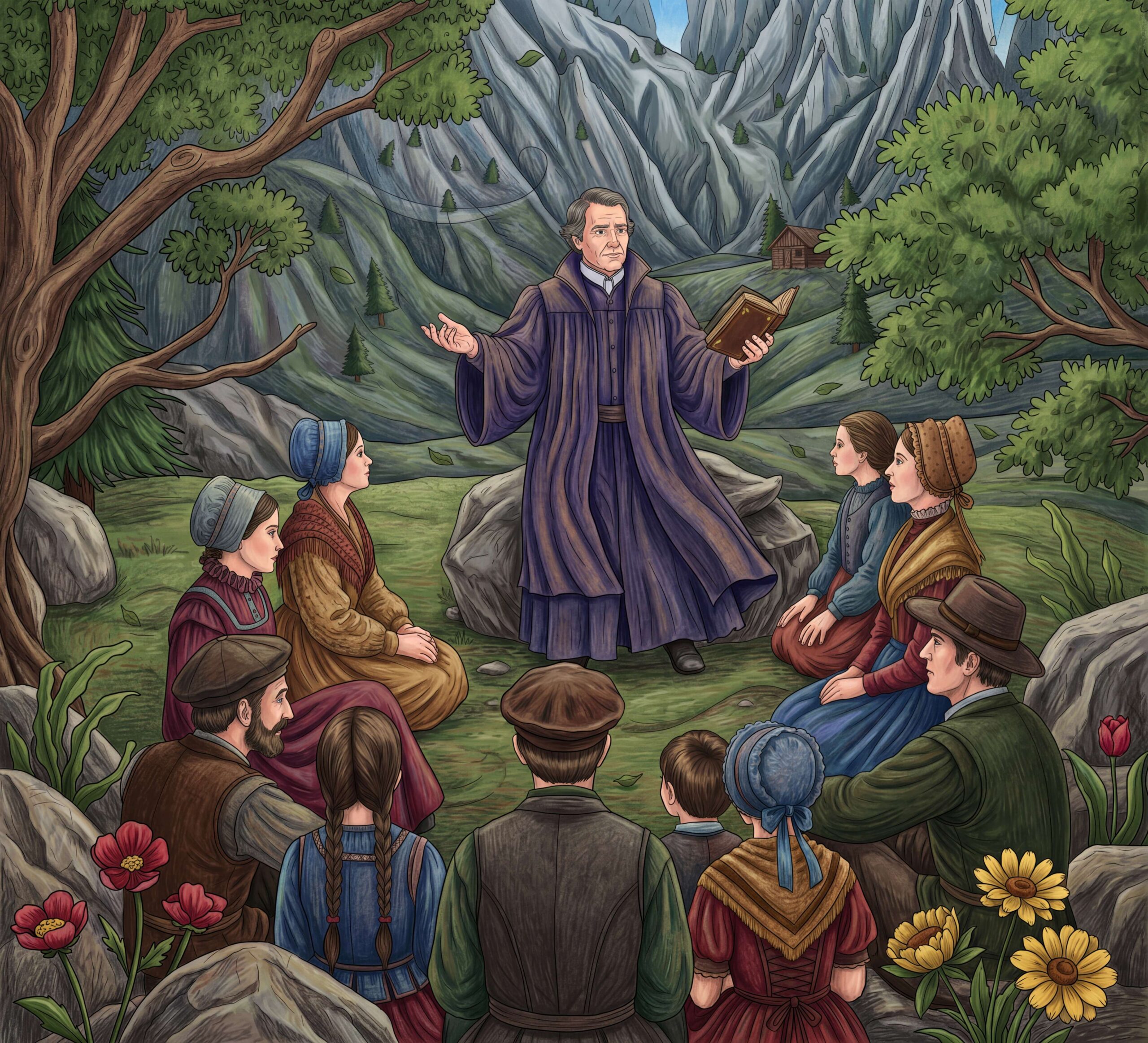
The Waldenses thanked God that He had provided safety for them from the wrath and cruelty of men. The strength of the hills proved a sure defense. From the lofty cliffs they chanted their praises to God, and the armies of Rome could not silence their songs of thanksgiving.
4
By patient, untiring labor, sometimes in the deep, dark caverns of the earth, by the light of torches, the Sacred Scriptures were written out, verse by verse, chapter by chapter. Because copies of the Bible were rare, its precious words were committed to memory.
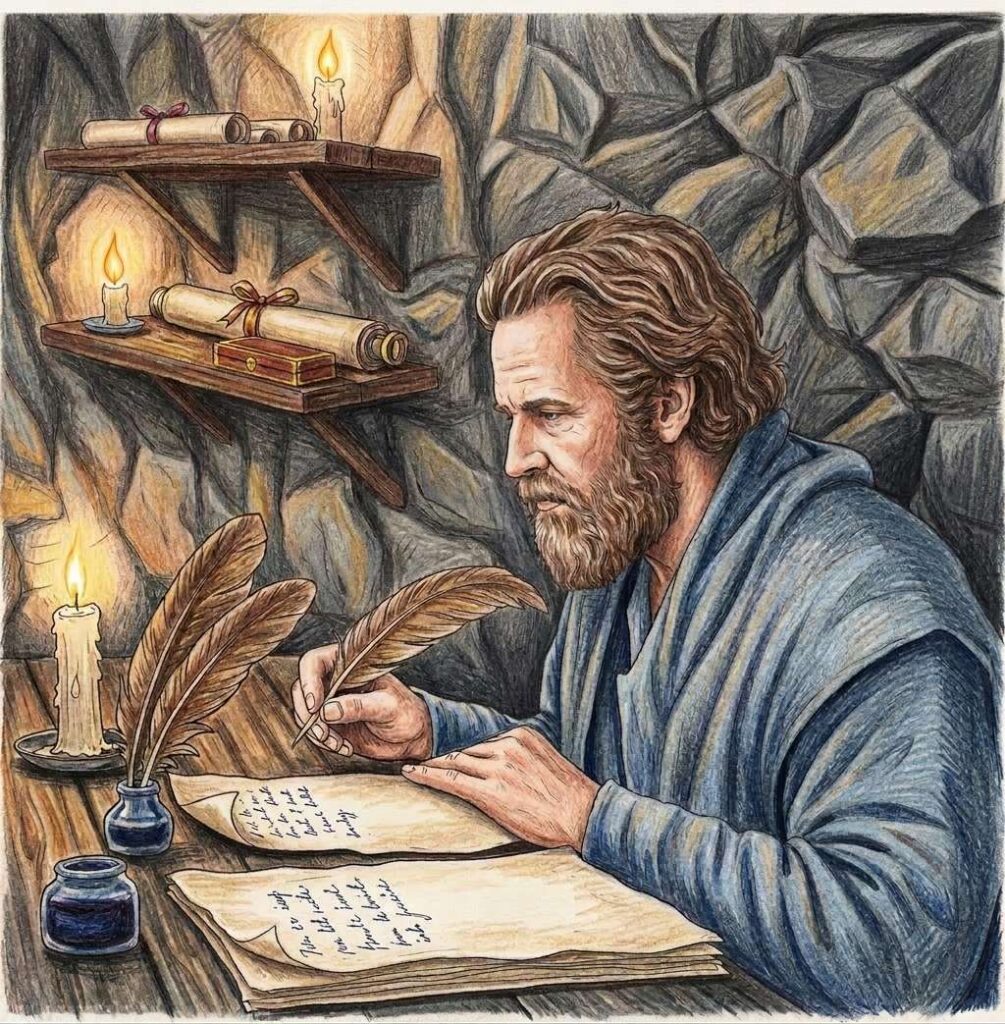
As the mine has rich veins of gold and silver hidden beneath the surface, so that all must dig who would discover its precious stores, so the Holy Bible has treasures of truth that are revealed only to the earnest, humble, prayerful seeker. God designed the Bible to be a lesson book to all mankind. He gave His word to men as a revelation of Himself.
5
The Waldenses saw that under the guidance of pope and priest, multitudes were vainly trying to obtain pardon by afflicting their bodies for the sin of their souls. Again and again, as their missionaries cautiously shared the precious truths of the gospel to inquiring minds, the assurance of the Savior’s love seemed too much for some of these poor tempest-tossed souls to realize. The relief which it brought was so great, and such a flood of light was shed upon them, that they seemed transported to heaven
6
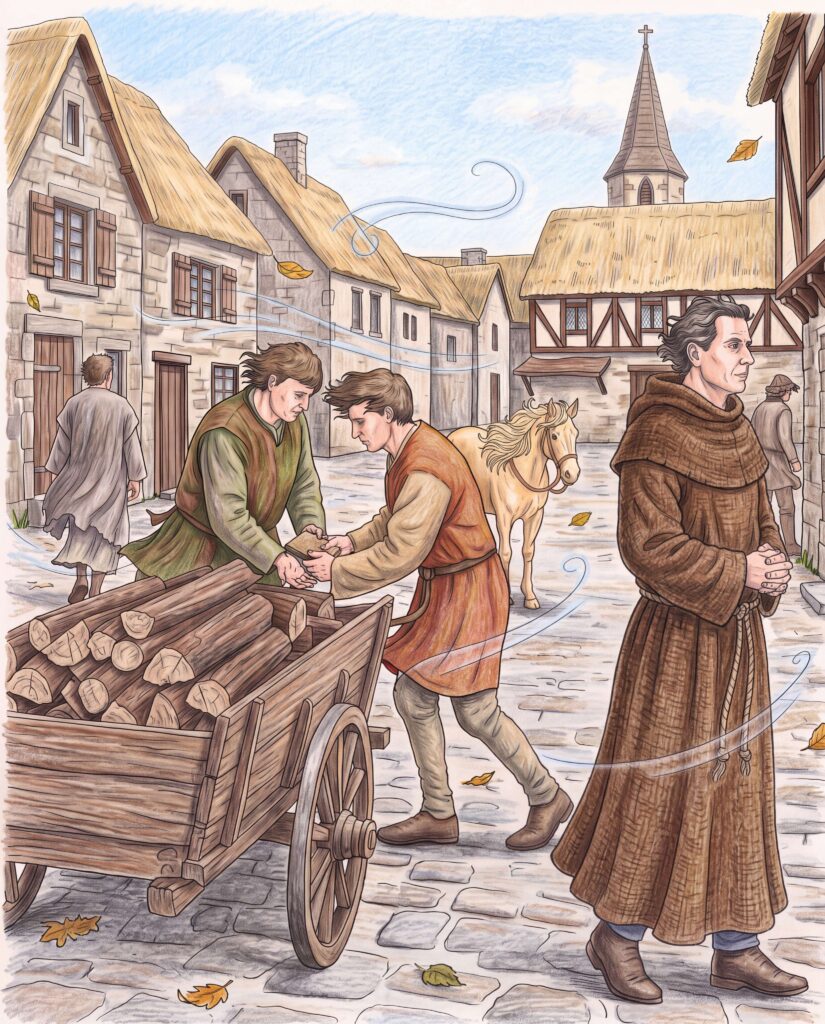
In secret places the word of God was read, sometimes to a single soul, sometimes to a little groups who were longing for light and truth. The wonder and admiration of the listeners was so great that often words like these were exclaimed:

The answer was read: “Come unto Me, all ye that labor and are heavy-laden, and I will give you rest.” Matthew 11:28. If the light of truth were allowed to shine unobstructed, it would sweep away the heavy clouds of error that enveloped the people. It would direct the minds of men to God alone and would eventually destroy the supremacy of Rome.
7
The world had passed its midnight. In the 1300s in England, John Wycliffe, “The Morning Star of the Reformation,” was to proclaim reforms for all Christendom. The great protest against Rome which he was permitted to express was never to be silenced. Wycliffe did not purposely set out to resist Rome. But it was his dedication to Bible truths that helped him to see through false teachings. The more clearly he saw the errors of the papacy, the more seriously he taught the morals of the Bible.
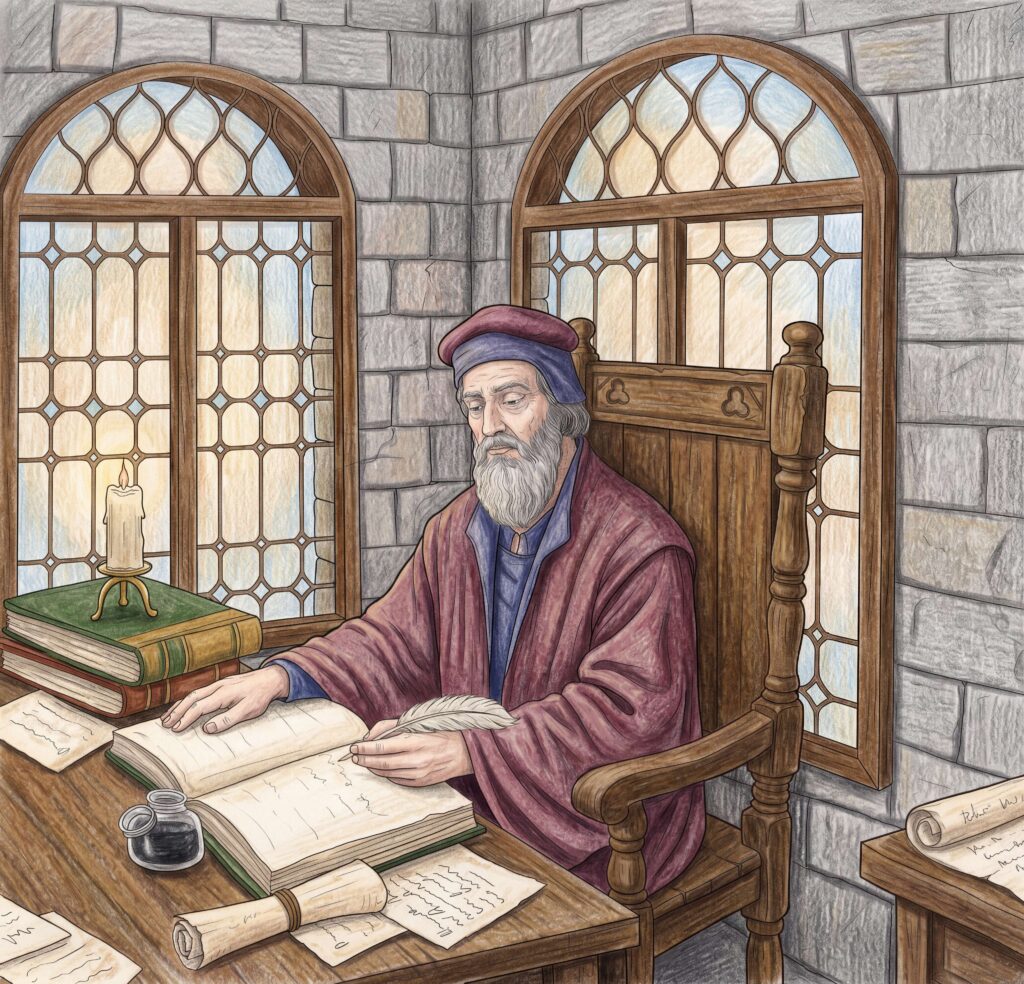
The greatest work of Wycliffe’s life was to be the translation of the Scriptures into the English language so that every man in England could read, in the language in which he was born, the wonderful works of God.
8
Suddenly his labors were stopped. He was attacked by a dangerous illness. This report brought great joy to the friars! Now they thought he would desperately apologize of the evil he had done to the church, and they hurried to his room to listen to his confession. Representatives from the religious orders, and civil officers, gathered around the supposed dying man. “You have death onyour lips,” they said, “Apologize for your faults, and take back all that you have said to damage us.” The Reformer listened in silence; then he asked his attendant to raise him in his bed, and gazing steadily at them he said, in a firm, strong voice.
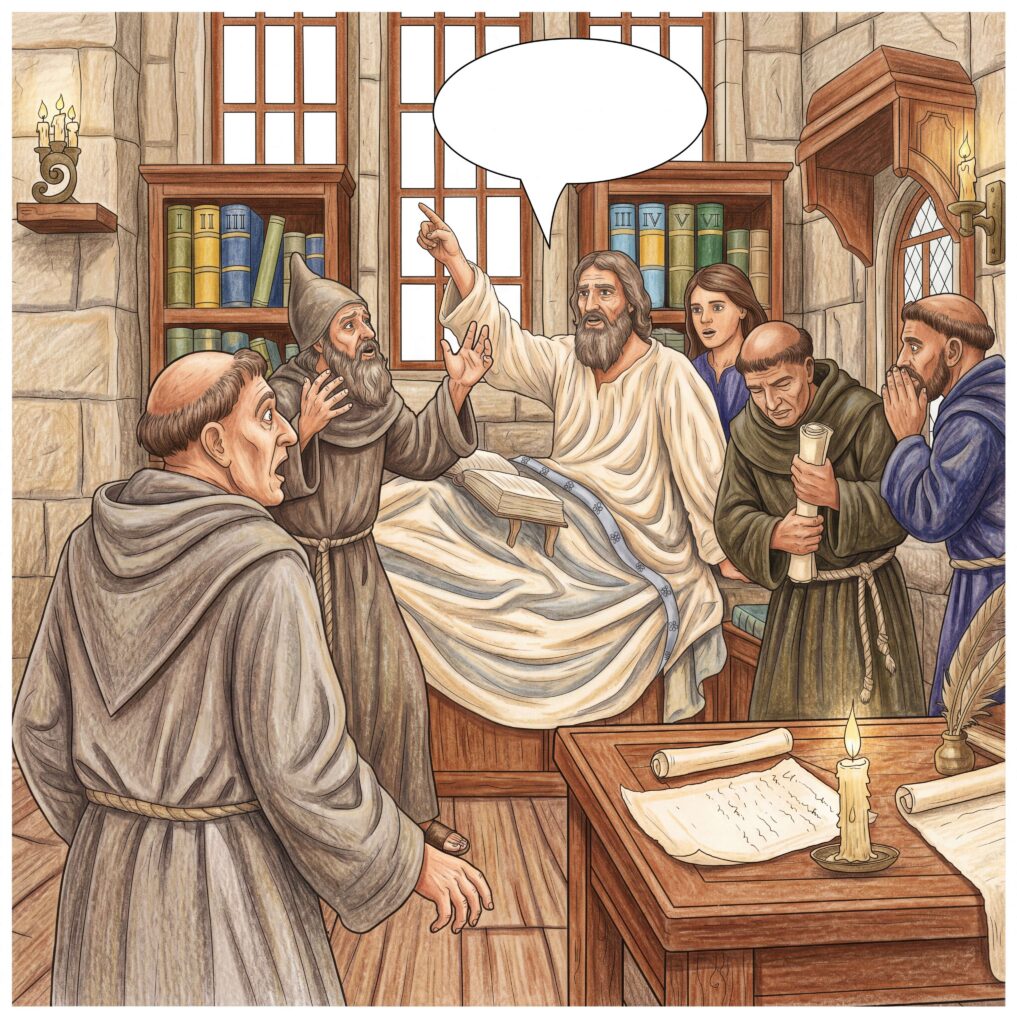
Speechless and ashamed, the monks hurried from the room.
9
At last his work was completed—the first English translation of the Bible was made. The word of God was opened to England. Now the Reformer did not fear the prison or the stake. He had placed in the hands of the English people a light which would never be extinguished.

In translating Bible, he had given his countrymen the most powerful of all weapons against Rome! The Bible was the Heaven-appointed agent to free, educate, evangelize the people, break the chains of ignorance and immorality, and to liberate and elevate his country
10
The papists had failed to work their will with Wycliffe during his life, and their hatred could not be satisfied while his body rested quietly in the grave. By the decree of the Council of Constance, more than forty years after his death, his bones were unearthed and publicly burned; and his ashes were thrown into a neighboring brook.
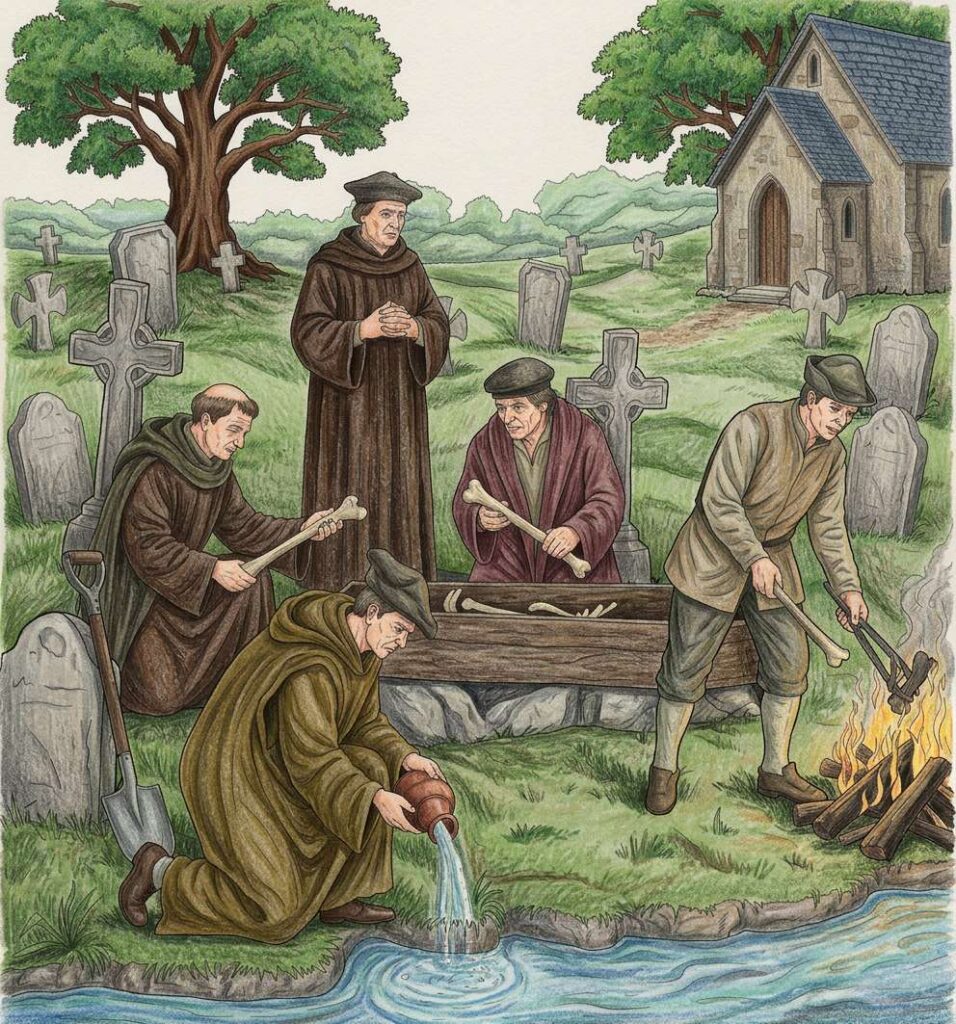
That brook carried his ashes to the river, the river to the seas, and finally into the vast ocean. So the ashes of Wycliffe are the symbol of his principles, which are now dispersed over the whole world. Little did his enemies realize the significance of their hateful act.
11
Huss & Jerome p. 12-18
Luther’s time was far in the future, but one reformer was already rising, whose testimony against Rome would stir the nations. John Huss was of humble birth. His father died when he was very young. His mother believed that education and the fear of God were the most valuable of all possessions, and wanted these for her son.
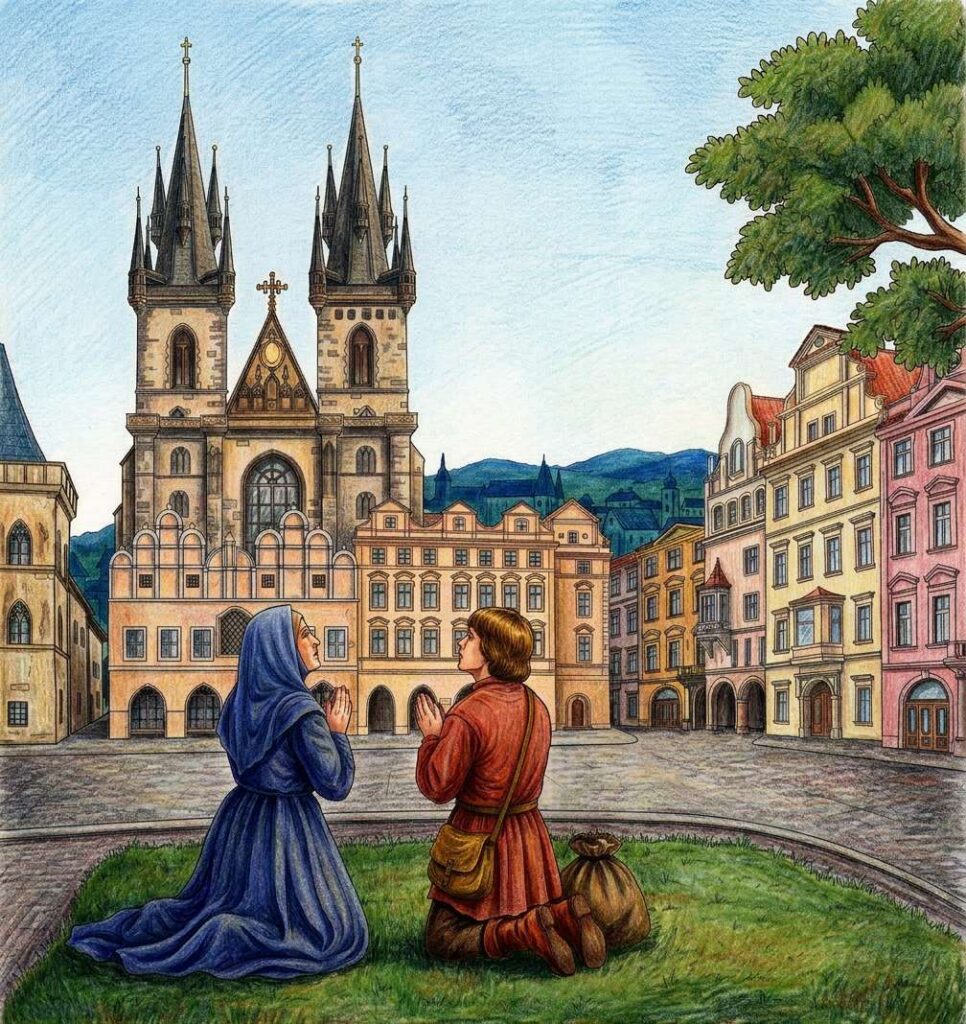
When John Huss grew older, he was admitted to a university in Prague as a charity scholar and traveled there accompanied by his mother. She was a poor widow, and had no gifts of worldly wealth to give her son, but as they came near the city, she kneeled down beside the fatherless boy and prayed a blessing from the God of heaven for her son. Little did that mother realize how her prayer was to be answered.
12
Jerome, a citizen of Prague, was returning from England, and brought with him the writings of John Wycliffe. Huss read these writings with great interest. Jerome and Huss later became a very close friends, and were united in the work of reform.

Huss believed their author to be a sincere Christian and approved of the reforms which he taught. Although he did not know it, Huss had already entered on a path which would to lead him far away from Rome.
13
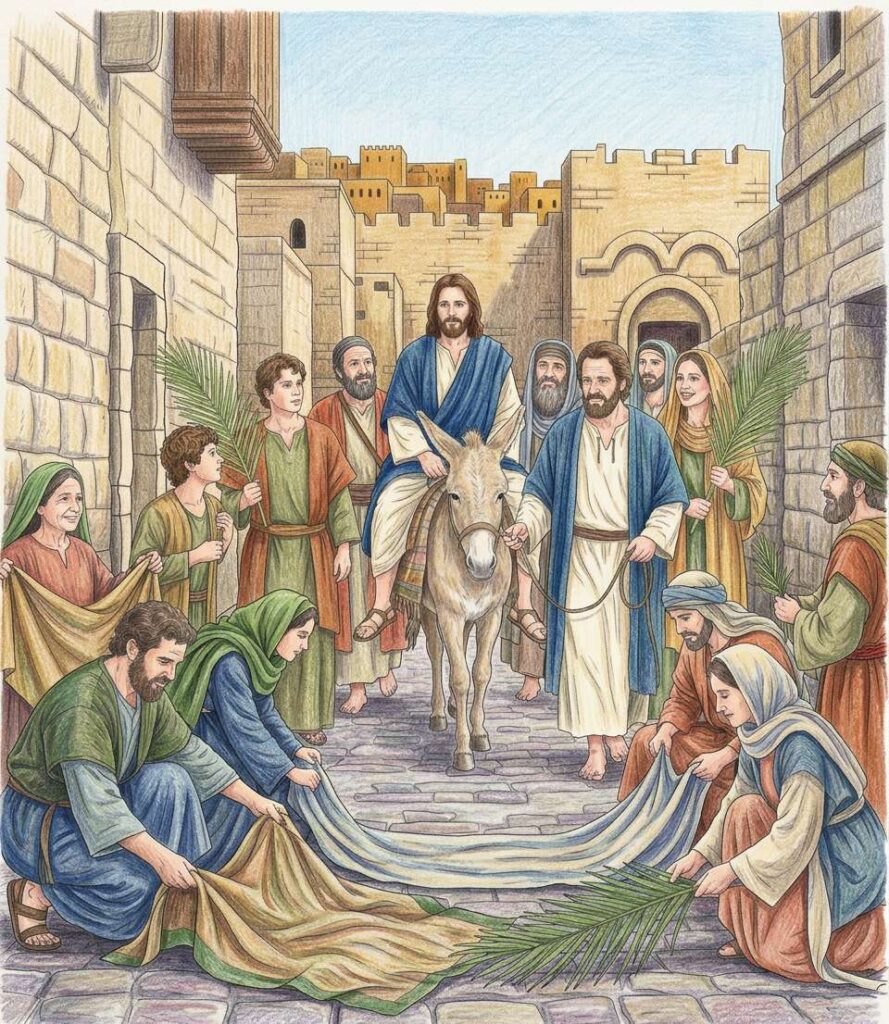
Eventually, two strangers from England arrived in Prague, to spread the truth. They openly attacked the pope’s supremacy, but they were soon silenced by the authorities. Being artists as well as preachers, and not willing to give up their goal, they drew two pictures for the public to see. One represented the entrance of Christ into Jerusalem, humble, and riding on a donkey, followed by His disciples in travel-worn clothes, with naked feet…
14
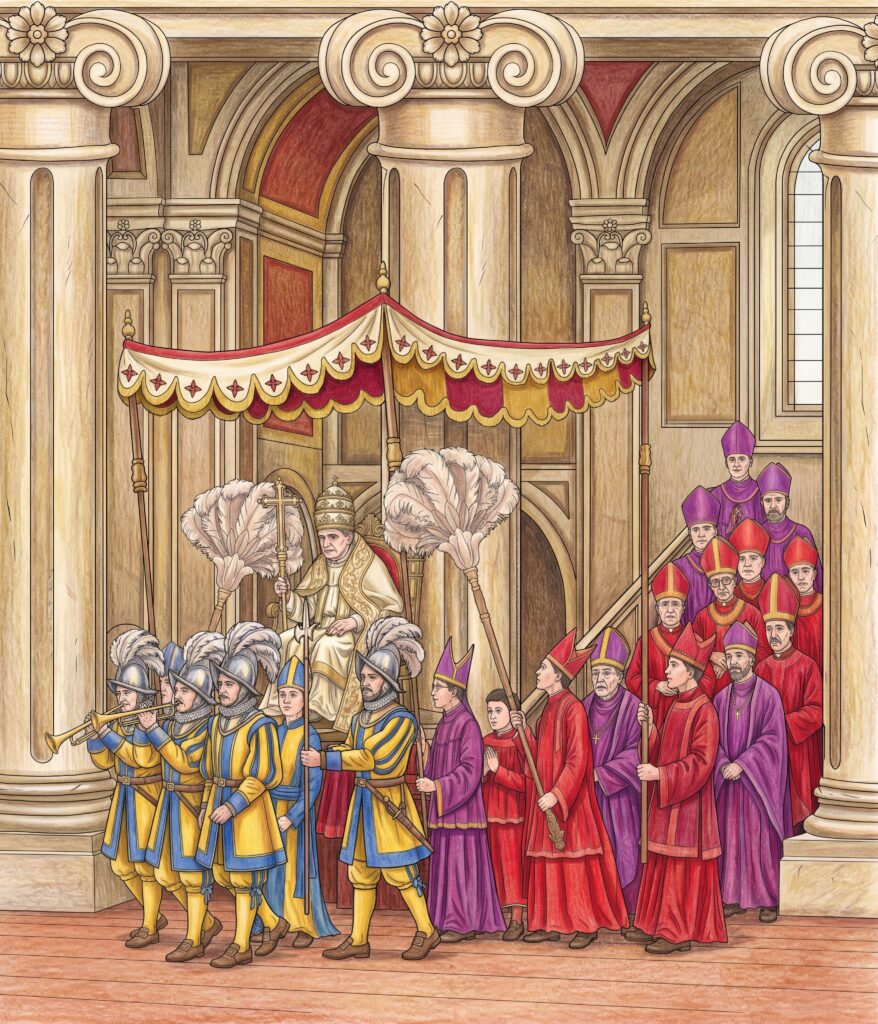
The other picture portrayed a pontifical procession, the pope draped in his rich robes and triple crown, followed by cardinals and bishops in a dazzling display.
Here was a sermon in pictures. Everyone could read the moral, and many were deeply impressed by the contrast between the modesty and humility of Christ the Master and the pride and arrogance of the pope, His professed servant. These pictures deeply impressed the mind of Huss.
15
Because of Huss’ work, knowledge of the Bible was spread in Bohemia and Germany. Eventually, Huss was called to appear before the pope. Huss went to the meeting ready to face prison and even death. When required to choose whether he would recant his doctrines or suffer death, he accepted the martyr’s fate. At the trial, they placed a paper cap on his head painted with awful figures of demons and Huss exclaimed:
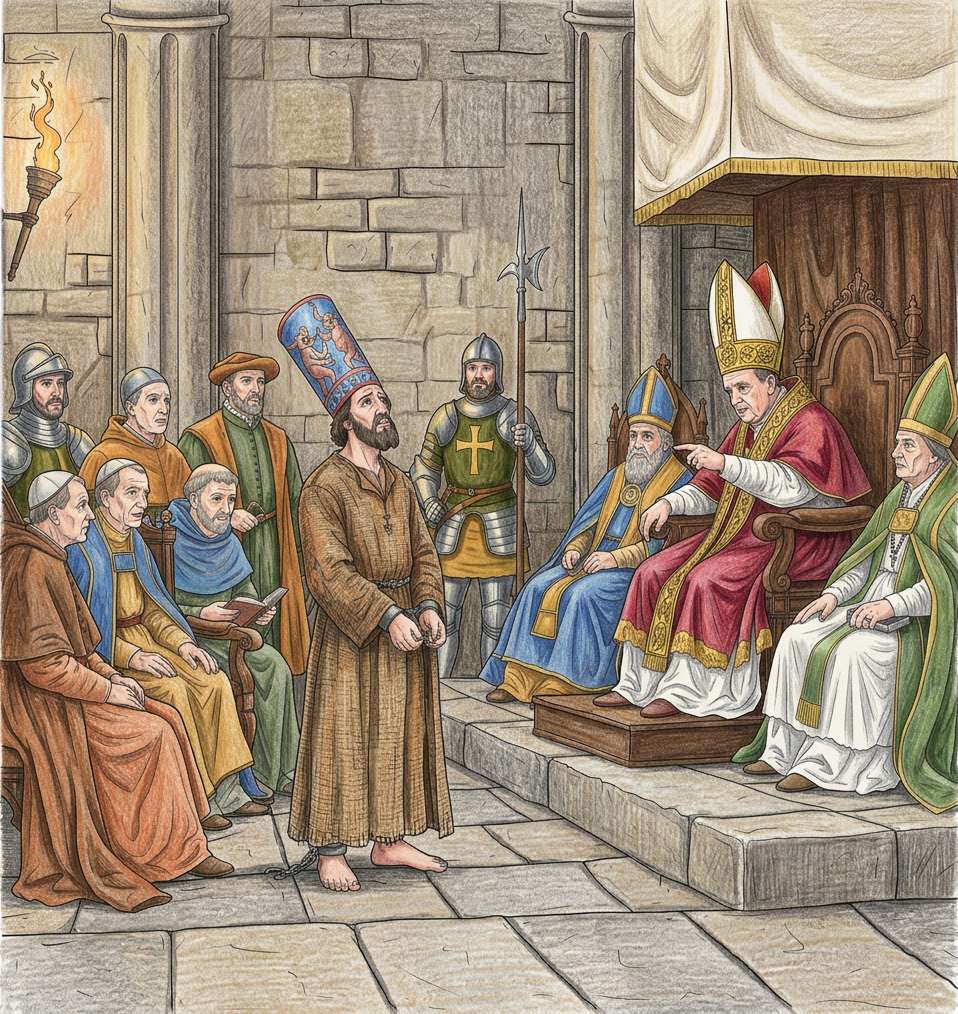
After the bishops put the mocking robe and crown on Huss, they said, “Now we devote your soul to the devil!” “And I,” said John Huss, lifting his eyes up toward heaven,“ do commit my spirit into Your hands, O Lord Jesus, for You have redeemed me.”
16
When he had been fastened to the stake, and all was ready for the fire to be lighted, the martyr was again urged to save himself by admitting his errors
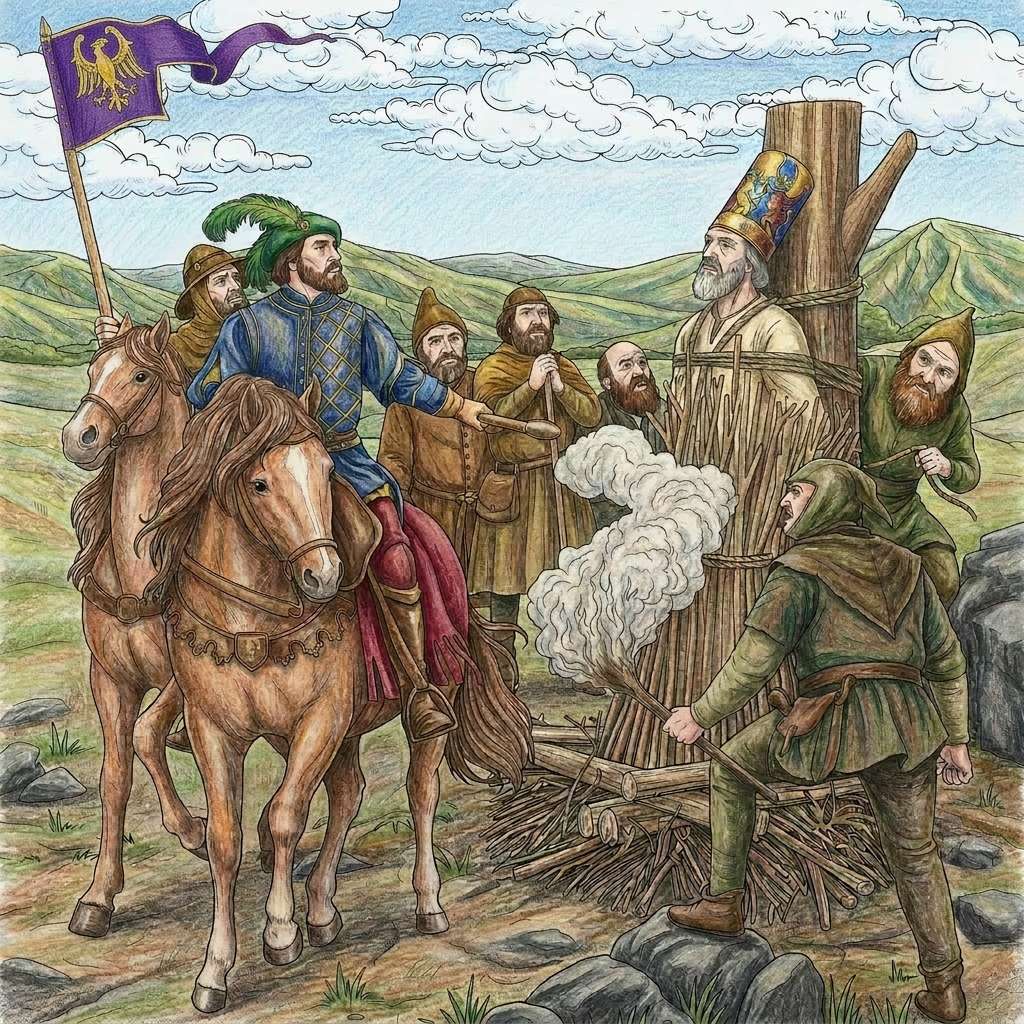
When the body of Huss had been wholly consumed, his ashes were gathered up and cast into the Rhine, and consequently carried onward to the ocean. Little did they dream that those ashes carried to the sea were to be as seed scattered in all the countries of the earth. His execution had exhibited to the whole world the treacherous cruelty of Rome. The enemies of truth, though they knew it not, had been furthering the cause which they unsuccessfully sought to destroy.
17
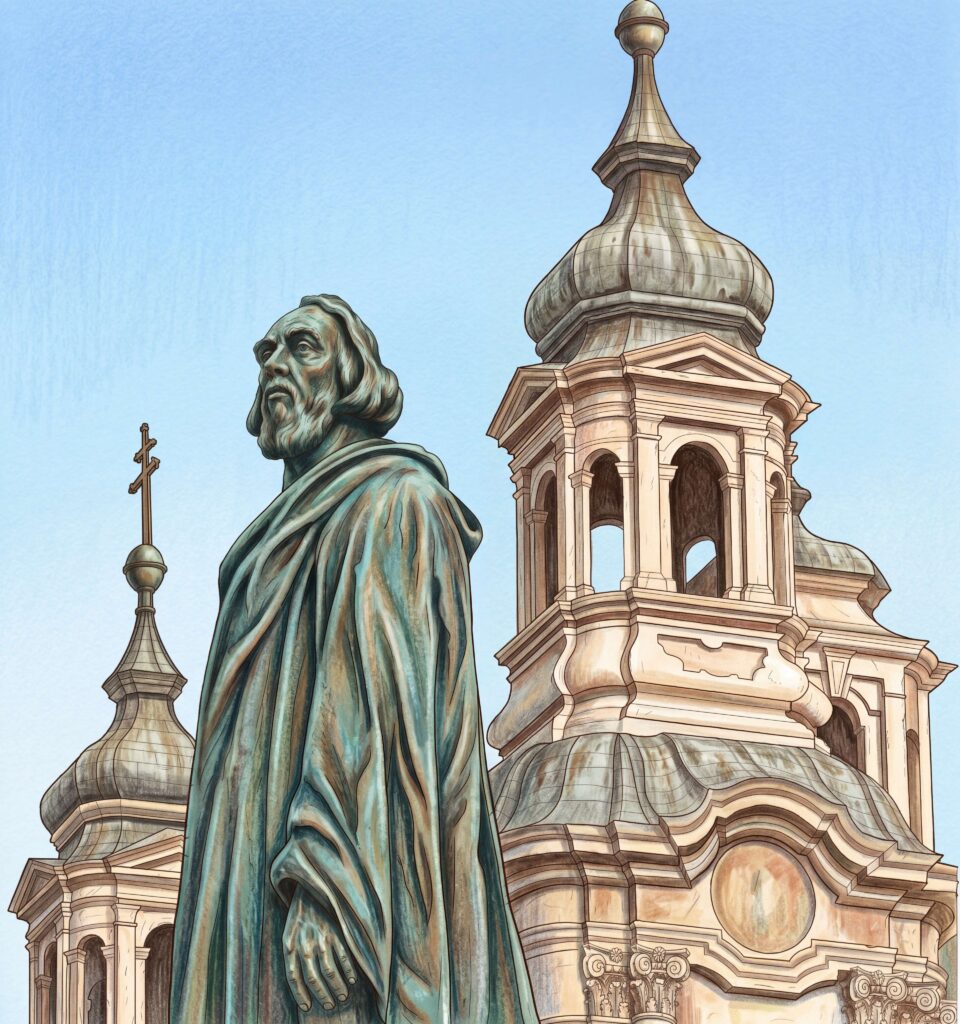
God permitted great light to shine upon the minds of Huss & Jerome, revealing to them many of the errors of Rome; but they did not receive all the light that was to be given to the world. Through these, His servants, God was leading the people out of the darkness of Romanism; but there were many and great obstacles for them to meet, and He led them on, step by step, as they could bear it. From century to century, other faithful workers were to follow, to lead the people still further on the path of reform
18
Luther sprang from the ranks of poverty. Hardship, adversity, and severe discipline was the school in which Infinite Wisdom prepared Luther for the important mission of his life.

His parents were very poor and he often suffered from hunger. So, as he walked from home to school, he went singing from door to door asking for food. Sadly, at school where he was sent at an early age, Luther was treated with harshness and even violence
19
The superstitious ideas of the prevailing religion filled him with fear. He would lie down at night with a sorrowful heart, looking forward with trembling to the dark future and in constant terror at the thought of God as a stern, unrelenting judge, and a cruel tyrant, rather than a kind heavenly Father. Despite so many discouragements Luther pressed forward toward the high standard of moral and intellectual excellence which attracted his soul

At the age of eighteen, he entered the University of Erfurt and began to study the best authors. Intellectual discipline ripened his understanding and aroused an activity of mind and a sharpness of perception that were preparing him for the conflicts that were to enter his life.
20
One day while examining the books in the library of the university, Luther discovered a Latin Bible. He had never known such a book existed. With reverence and wonder he turned the sacred pages; with a quickened pulse and a throbbing heart he read for himself the words of life, pausing nowand then to exclaim:
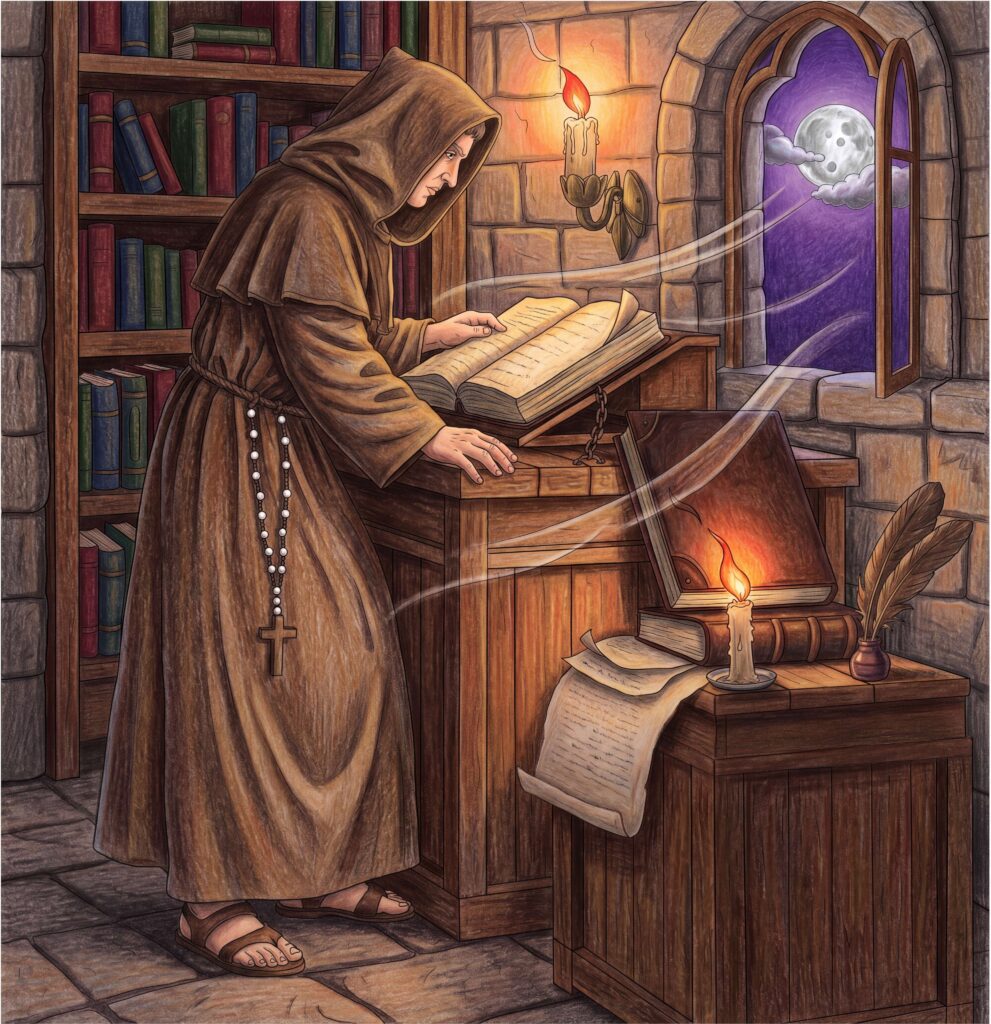
Angels of heaven were by his side, and rays of light from the throne of God revealed the treasures of truth to his understanding. He was always afraid of offending God, but now the deep conviction of his condition as a sinner took a hold of him as never before.
21
Luther led a very rigorous life, striving by fasting, vigils, and scourging, to overcome the evils of his nature, from which the monastic life brought no release. At one point, the pope promised an indulgence to everyone who climbed Pilate’s staircase on his knees
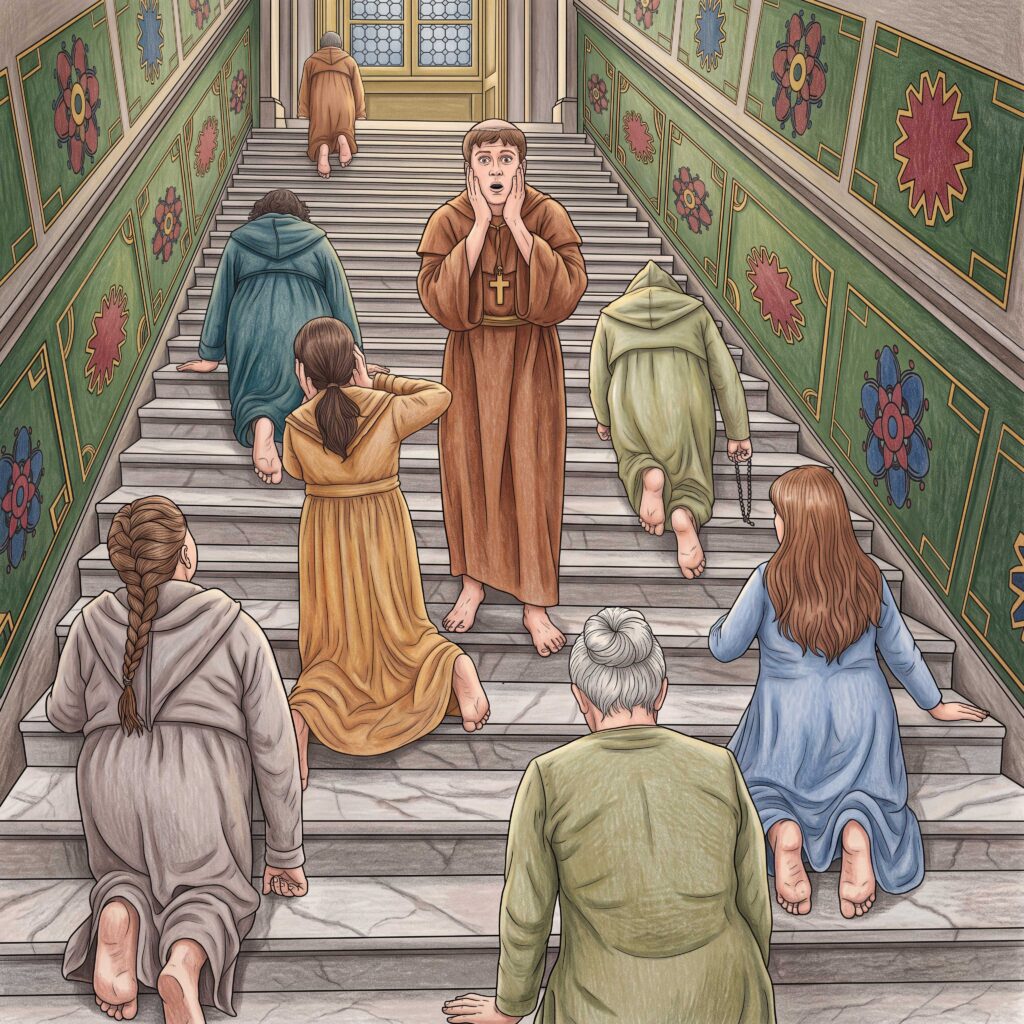
Luther was climbing these steps one day, when suddenly a voice like thunder said to him: “The just shall live by faith!” He jumped to his feet and ran away in shame and horror. His eyes had been opened to the delusions of the papacy, and his heart was separated from Rome. The separation grew wider, until he cut off all connection with the papal church.
22
Separation from Rome p. 23-26
Still another fabrication was needed to enable Rome to profit by the fears and the vices of her supporters. The doctrine of indulgences provided full forgiveness of sins, past, present, and future. The people were also taught that by the payment of money to the church they might free themselves from sin, and also release the souls of their deceased friends who were confined in the tormenting flames.
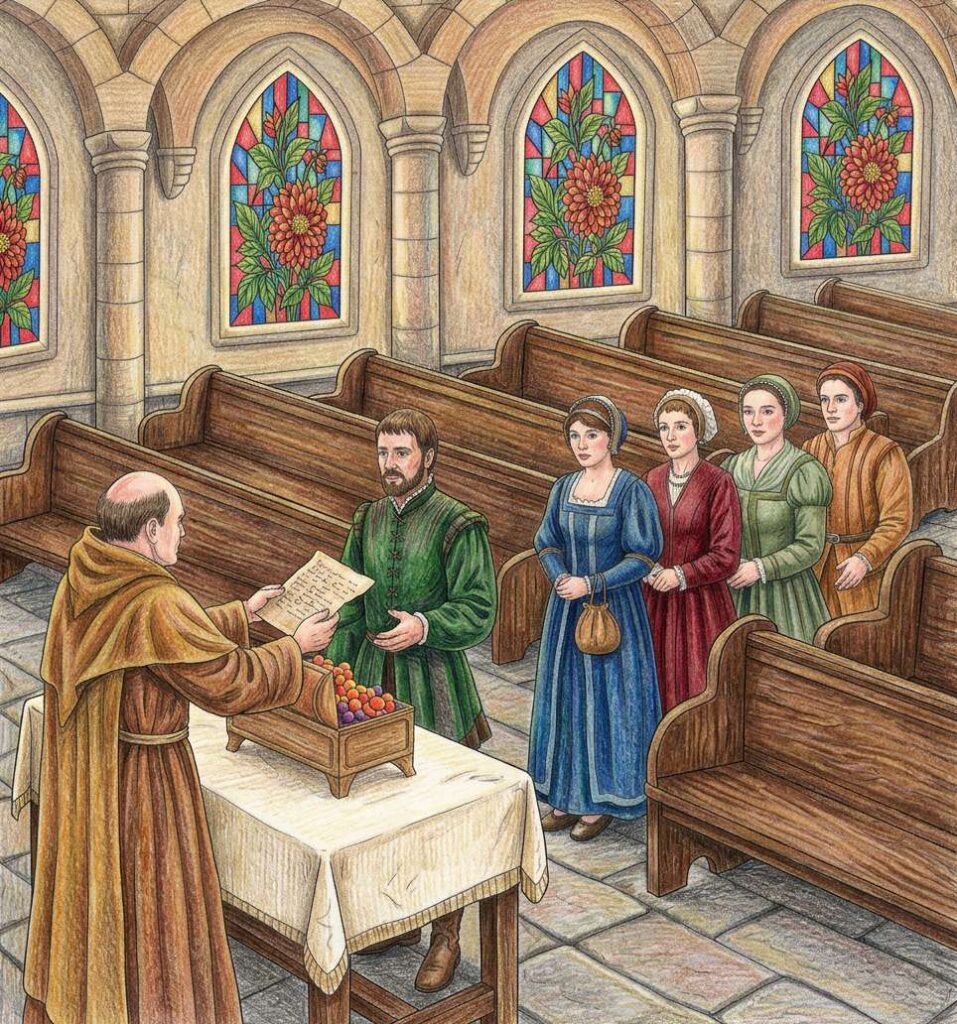
By such means did Rome fill her treasury and sustain the magnificence, luxury, and vice of the pretended representatives of Him who had no where to lay His head.
23
As Tetzel continued his traffic and his impious pretensions, Luther determined upon a more effectual protest against these crying abuses. An occasion soon offered. The castle church of Wittenberg possessed many relics, which on certain holy days were exhibited to the people, and full remission of sins was granted to all who then visited the church and made confession. Accordingly on these days the people in great numbers resorted thither
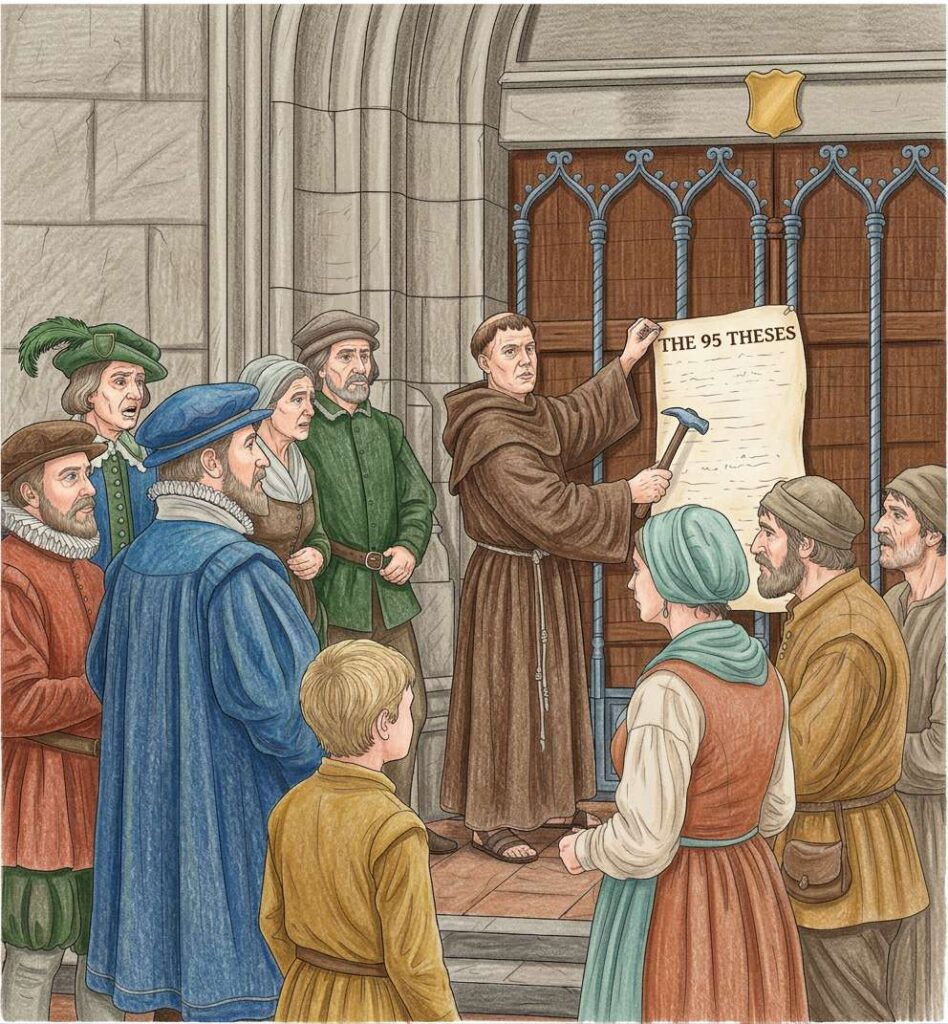
On the preceding day, Luther, joining the crowds that were already making their way to the church, posted on its door a paper containing ninety-five propositions against the doctrine of indulgences. He declared his willingness to defend these theses the next day at the university, against all who should see fit to attack them.
24
His propositions drew universal attention. They were read and reread, and repeated everywhere. Great excitement was created in the university and in the whole city. By these theses it was shown that the power to grant the pardon of sin, and to to cancel its penalty, had never been committed to the pope or to any other man. The whole scheme was a farce,—an artifice to extort money by playing upon the superstitions of the people, —a device of Satan to destroy the souls of all who should trust to its lying pretensions
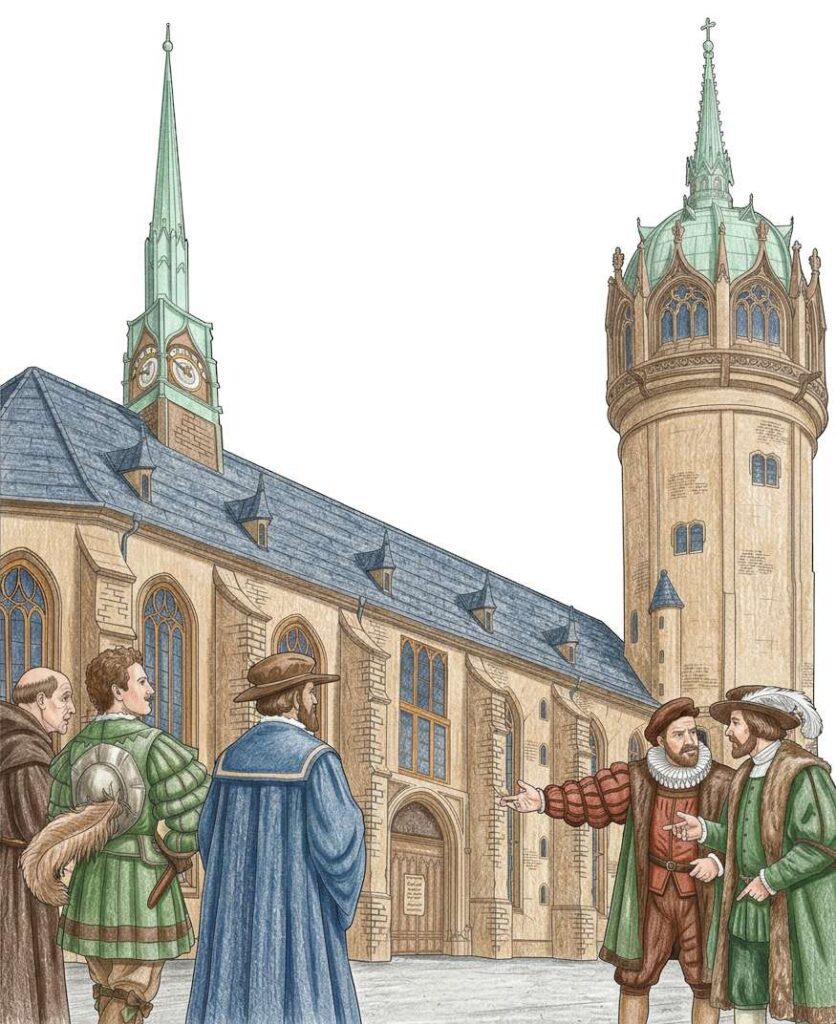
It was also clearly shown that the gospel of Christ is the most valuable treasure of the church, and that the grace of God, is freely bestowed upon all who seek it by repentance and faith.
25
Luther eventually translated the Bible into the German language. This translation was received with great joy by all who loved the truth. The Bible purified the spiritual nature, and gave new strength to the intellect of the common people. They became better acquainted with the Bible teachings than the priests and learned doctors.
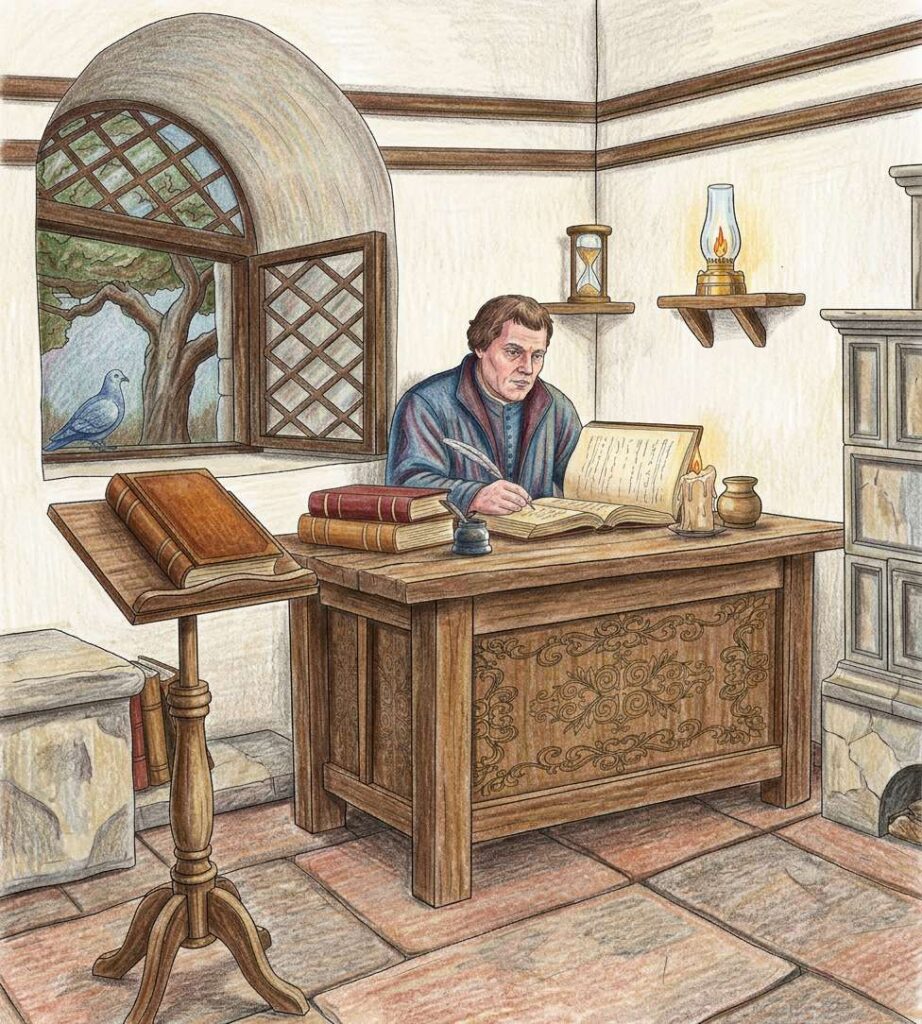
The priests were alarmed that the common people would now be able to discuss with them the principles of God’s word, and that their own ignorance would be exposed! The more the papacy condemned and prohibited the Bible, the more concerned the people were, and the more they wanted to know what it really taught.
26
When Luther was summoned to a meeting in Worms, Germany, with Emperor Charles V, the German princes, a large assembly of dignitaries of church and state …. Luther was asked, “Will you retract or not?”
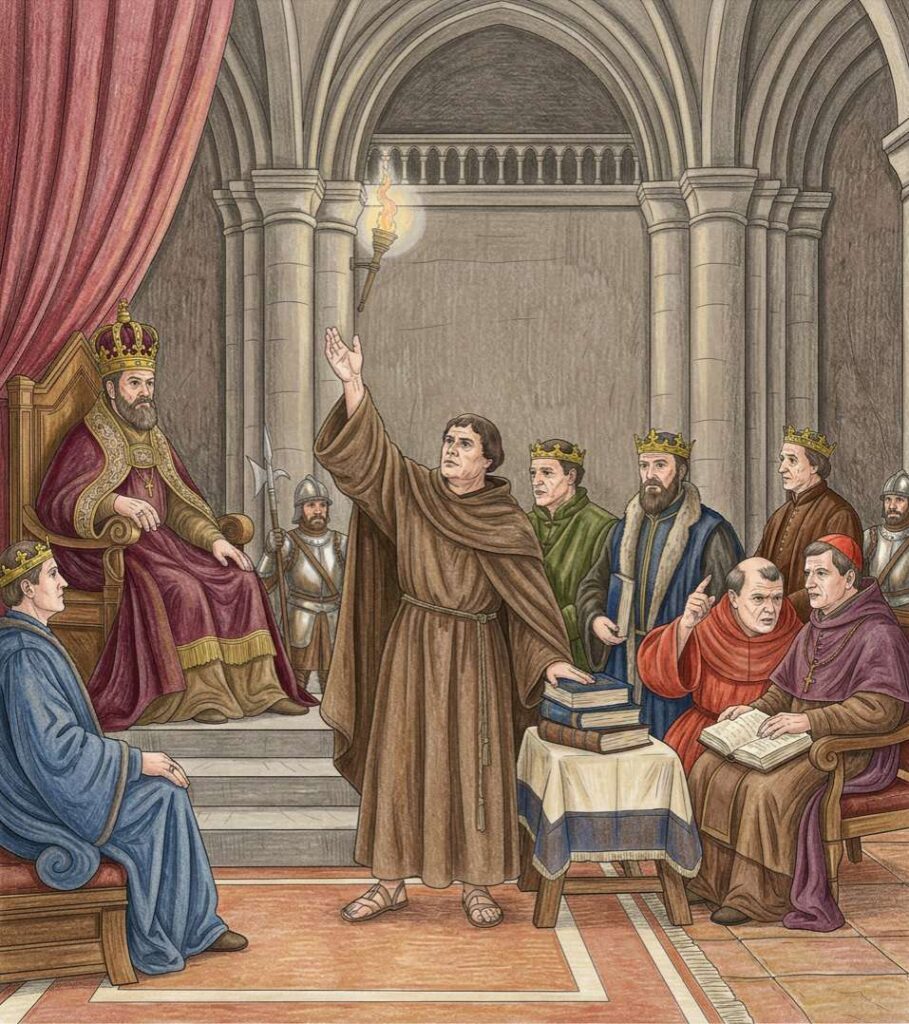
The Reformer answered: “I cannot submit my faith either to the pope or to the councils, because it is clear as the day that they have frequently been wrong and have contradicted each other. Unless therefore I am convinced by the testimony of Scripture or by the clearest reasoning, unless I am persuaded by the passages I have quoted, and unless they thus render my conscience bound by the word of God, I cannot and I will not retract, for it is unsafe for a Christian to speak against his conscience. Here I stand, I can do no other! May God help me! Amen.”
27
From the secret place of prayer came the power that shook the world in the Great Reformation. There, with holy calmness, the servants of the Lord set their feet upon the rock of His promises. During the struggle at Augsburg, Luther did not pass a day without devoting at least three hours to prayer. When in solitude he poured out his soul before God as when one speaks to a friend.
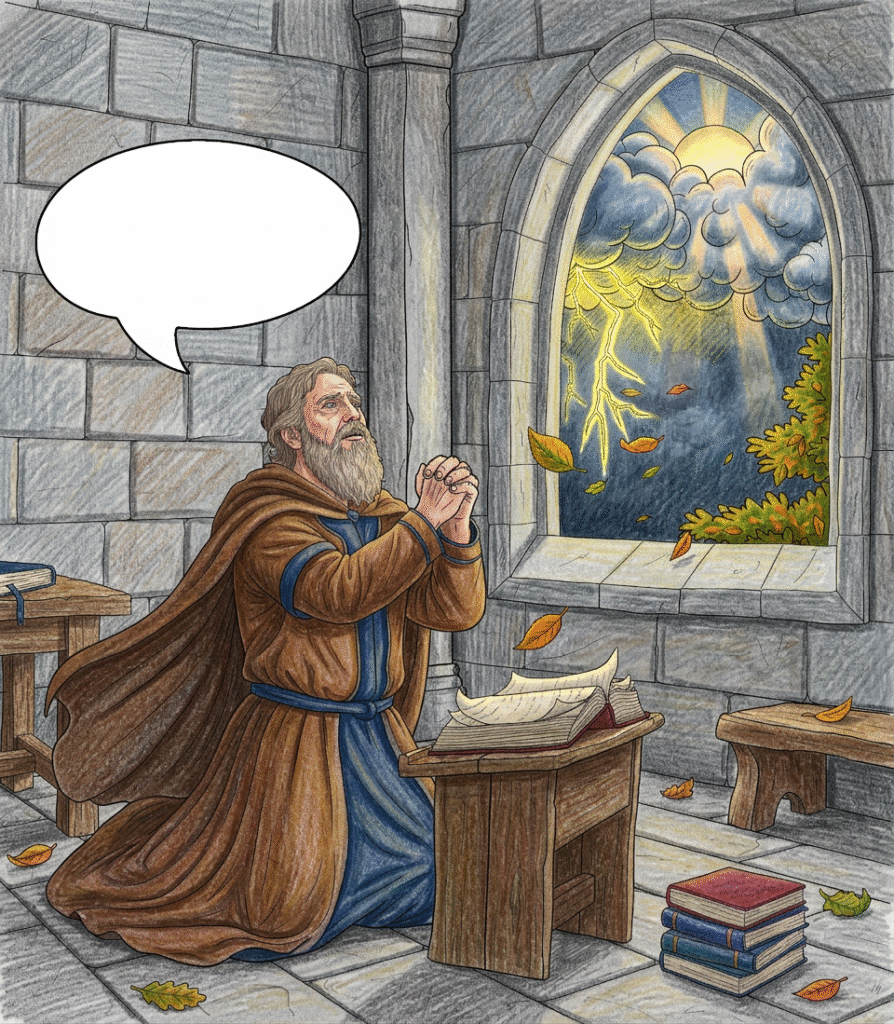
God did listen to the cries of His servants. He gave to princes and ministers grace and courage to maintain the truth against the rulers of the darkness of this world. The Protestant Reformers had built on Christ, and all the powers of hell could not defeat them
28


